Ever opened your dishwasher in Indianapolis only to find your “clean” glasses look like they’re wearing a cloudy coat of armor? That was me standing in my cousin’s kitchen in Fishers last January. She’d been blaming her detergent for months. But the real culprit? Hard water. And it was doing more than just ruining Sunday brunch cleanup—it was quietly wrecking her appliances. If you live around Indy, Carmel, Zionsville, or anywhere in the metro, you’re probably dealing with the same invisible menace. Hard water damage appliances in subtle ways at first, but the costs add up fast. Let’s talk about what hard water does to your appliances and, more importantly, how to stop it without tearing your hair out.
Why Is My Water So Hard Here?
So what makes water “hard”? It’s not some abstract thing. Hard water is just water with a lot of dissolved minerals—mostly calcium and magnesium. These minerals hitch a ride from the limestone-rich ground that much of central Indiana sits on. Indianapolis city water often tests over 20 grains per gallon (gpg), which is considered very hard. If you’re on a private well in Noblesville, Westfield, or Greenwood, your numbers might be even higher—sometimes double that. Testing is dead simple (more on that later), but if you’re seeing white crust on faucets or a filmy residue on your skin, you already know you’re in the hard water club.
And those minerals? They’re not just floating along harmlessly. When water heats up or evaporates, the minerals drop out and bond to anything they touch. That’s limescale. It’s basically the same stuff as limestone, and it’s about as stubborn as it gets.
The Sneaky Way Scale Attacks Your Appliances
Scale doesn’t politely sit on the surface. It builds up inside your appliances, like plaque in an artery. Heating elements get a mineral jacket, so they work harder and burn out faster. Valves and seals—think dishwasher fill valves or washing machine inlets—get grit in them and start to fail. Over time, hard water damage appliances by wearing down these parts until they give up.
Even your plumbing pipes aren’t immune. Over time, scale narrows the diameter, which can slow your drains and lead to backups. (Yep, we’ve pulled out chunks of mineral buildup during drain cleanings in Avon and Plainfield homes that looked like something from a cave.) That’s why a whole-home fix matters. It’s not just about one appliance; it’s about protecting the whole system.
Your Water Heater Is Taking a Beating
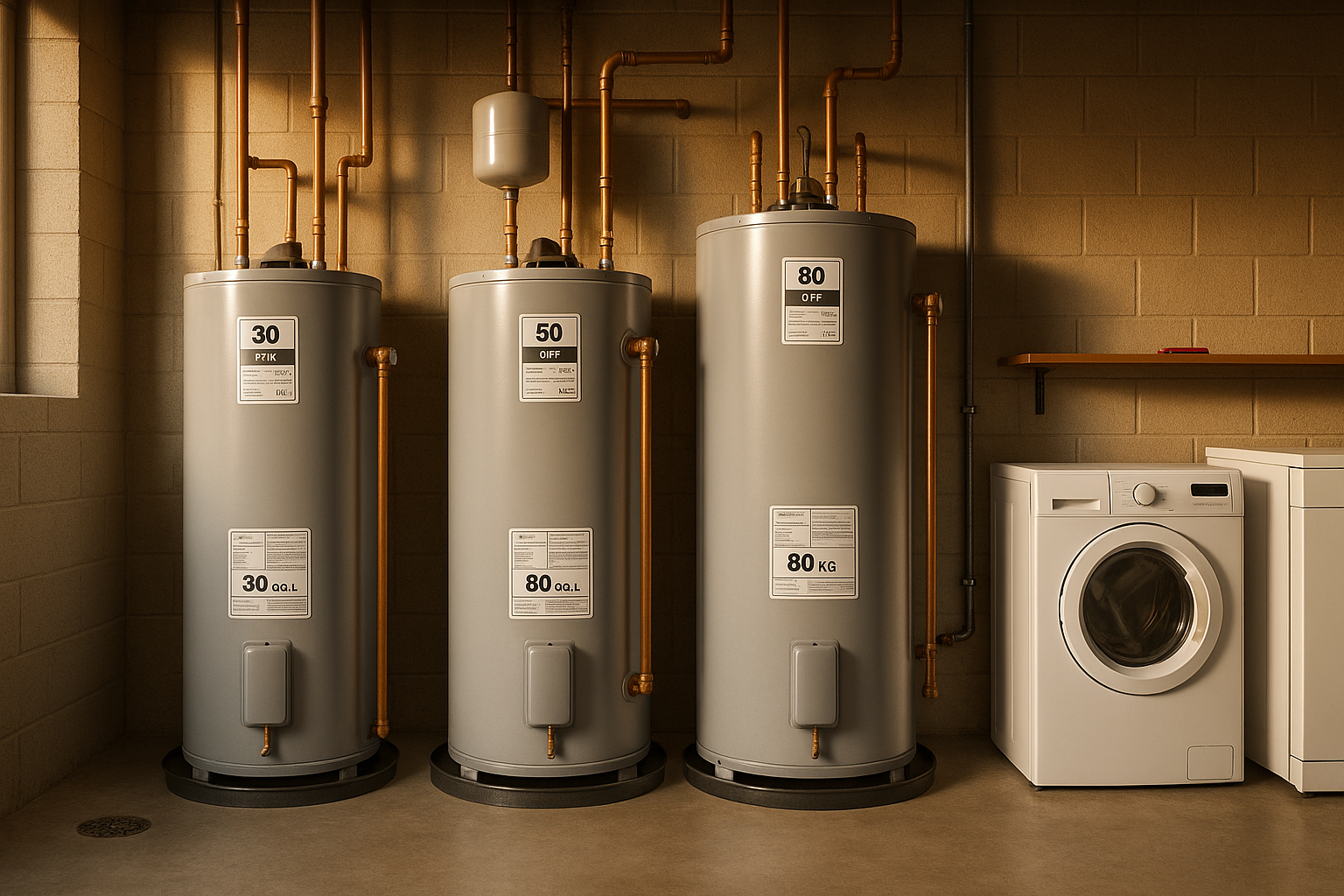
Let’s be real: your water heater is probably the hardest-working appliance in your home. And in Indy, it’s battling hard water every single day. Electric water heaters have heating elements that get caked with scale. Gas models build up sediment on the bottom that insulates the burner from the water, making it run longer and hotter. Tankless water heaters are especially picky—even a thin layer of scale cuts efficiency and can lead to error codes and expensive service calls.
I got a call last winter from a homeowner in Greenwood whose tankless kept shutting down. The technician found the heat exchanger so clogged with scale it looked like a coral reef. A simple descaling got it running again, but without a softener, that pattern repeats every few months. The energy waste alone is eye-opening: just 1/8 inch of scale can reduce a water heater’s efficiency by up to 25%. That’s real money on your CenterPoint or Duke Energy bill.
Dishwashers and Washing Machines Suffer Too
Dishwashers and washing machines? They take a double hit. The heating element in your dishwasher (the one that heats the water to sanitize and dry dishes) gets coated in scale, just like the water heater. Then the spray arms can plug up with mineral bits, leaving food particles behind. In Fishers, a couple told me they replaced their dishwasher after two years because “it just didn’t clean,” but when we inspected the old one, the spray arms were almost completely blocked with limescale. A softener would have cost less than a new dishwasher.
Washing machines have similar problems. Scale can gunk up the inlet valve screens, slowing fill times. It can make the drum and seals rough, snagging delicates. And hard water doesn’t rinse soap away well, so your “clean” laundry comes out stiff and wearing traces of detergent that irritate sensitive skin. If you’ve ever wondered why your towels feel like sandpaper even with fabric softener, welcome to the club.
What About the Little Guys?
Don’t forget the small appliances. Your refrigerator’s ice maker has a tiny water line and valve that can get clogged with scale. Your coffee maker—whether it’s a drip machine or a fancy espresso setup—can slow to a trickle as the heating element scales over. Keurig owners, that’s why your machine starts sounding like a wheezing cat.
Then there’s the whole-home humidifier, a lifesaver in dry Indiana winters. If you’re using hard water in that unit, you’ll get a fine white dust settling on every surface. That dust? It’s the minerals left behind when water evaporates. It also clogs the humidifier pads, so you replace them twice as often. Soft water makes that white dust disappear.
The Real Cost of Doing Nothing
You might think, “I’ll just descale my appliance now and then.” And yeah, you can. But over time, the damage adds up. Appliances you expected to last 10 or 15 years might fail in 7. Repair bills pile up—a new heating element for a water heater isn’t free, and a plumber in Indianapolis isn’t either. Plus, higher utility bills from inefficient heating eat away any savings you thought you had.
And it’s not just the appliances. Showerheads and faucet aerators get crusty, reducing water flow. Soap scum sticks to tile and glass. Your skin and hair feel dry. It’s a whole-house quality-of-life thing.
Stopping Hard Water Damage Before It Starts
Here’s the good news: you’re not stuck with hard water. The most reliable fix is an ion-exchange water softener. It swaps calcium and magnesium for sodium (or potassium if you prefer). A correctly sized softener—matched to your water hardness and family’s water use—will protect every appliance and fixture. We’ve seen units in basements all over Indy, Carmel, and Zionsville doing exactly that.
But sizing matters. Too small and you’ll get hard water breakthroughs. Too big and you’re wasting salt and water. A pro test tells you exactly what you need. You’ll also want a sediment prefilter if you’re on city water that spikes with rust during main flushing, or on a well that kicks up sand. And if your home has a pressure-reducing valve or backflow preventer, local code might require an expansion tank when you add a softener (we wrote about that here).
Routine care is simple: check salt level monthly, clean the brine tank once a year, and let a tech inspect it annually. For small appliances, use a descaling solution now and then until you get the softener installed.
But What About…?
I hear the same worries from Indy homeowners all the time. Let’s tackle a few.
“Won’t soft water add too much sodium?” For most people, the amount is tiny—less than a slice of bread. If that’s still a concern, you can use potassium chloride instead of salt. We break it all down here. And for drinking or ice, you can always add an under-sink reverse osmosis unit to take out practically everything.
“Is it safe for my septic system?” Yes, when installed and maintained properly. Modern systems handle softener discharge fine. Just keep the softener healthy and have your septic tank pumped on schedule (we’ve got a guide here). A failed softener dumping resin beads into the septic field isn’t good, but that’s rare with quality equipment and basic upkeep.
“I don’t have much room.” We’ve tucked softeners into tiny utility closets in older Broad Ripple bungalows and snug basement corners in Brownsburg new builds. There’s almost always a spot.
“What about those salt-free conditioners?” They’re not softeners. They might reduce some scale inside pipes, but they won’t stop the damage to your appliances because they don’t remove hardness minerals. For real protection, you want an actual softener.
Ready to Protect Your Appliances?
Hard water damage isn’t something you have to accept. It’s predictable, preventable, and the fix pays for itself over time in fewer appliance replacements and lower energy bills. If you’re in Indianapolis, Carmel, Fishers, Zionsville, Westfield, Noblesville, Greenwood, Brownsburg, Avon, or Plainfield, we can test your water right at your kitchen sink and give you a straight answer: how hard is your water, what softener size fits your home, and exactly what the install would look like. No upsells, no pressure.
Just schedule a free in-home water test, and you’ll know exactly where you stand. Your dishwasher—and your water heater—will thank you.
Need a plumber you can call back?
Licensed Indiana plumbers, flat-rate pricing, and a written warranty on every job.