I still remember the Broad Ripple couple who called me a month after closing. They’d found a cute 1940s bungalow, big yard, mature trees—the whole deal. The general inspector said the plumbing looked fine. But the first heavy rain came, and their basement sump couldn’t keep up. Then the kitchen sink started backing up. A camera scope showed root intrusion through a cracked clay sewer line under those beautiful old oaks. They ended up with a $9,000 repair and a weekend ruined by sewage. That’s not a housewarming anyone wants. And it’s why a plumbing inspection home purchase check is the smartest move you can make before you sign anything.
Why a Plumbing Inspection Goes Beyond a General Home Inspection
A general home inspector does a quick walk-through—they’ll flush a toilet, run a faucet, maybe note if the water heater looks rusty. But they don’t pull a toilet to check for hidden leaks, they don’t run a camera through the sewer line, and they rarely test the sump pump by filling the pit. That’s no knock on them, it’s just not their specialty. When you hire a plumber for a pre-purchase plumbing inspection, you’re getting eyes on the stuff that can silently drain your savings. We look at the whole system: supply lines, drain and waste piping, vents, water pressure, water heater, sump, and the main sewer connection. Especially in neighborhoods like Meridian-Kessler, Irvington, or Fountain Square, where homes routinely date back to the 1920s–70s, skipping this step is a gamble.
What Actually Gets Checked During a Pre-Purchase Plumbing Inspection
When WaterPros rolls up to your potential new home, we don’t just kick the tires. Here’s what we dig into:
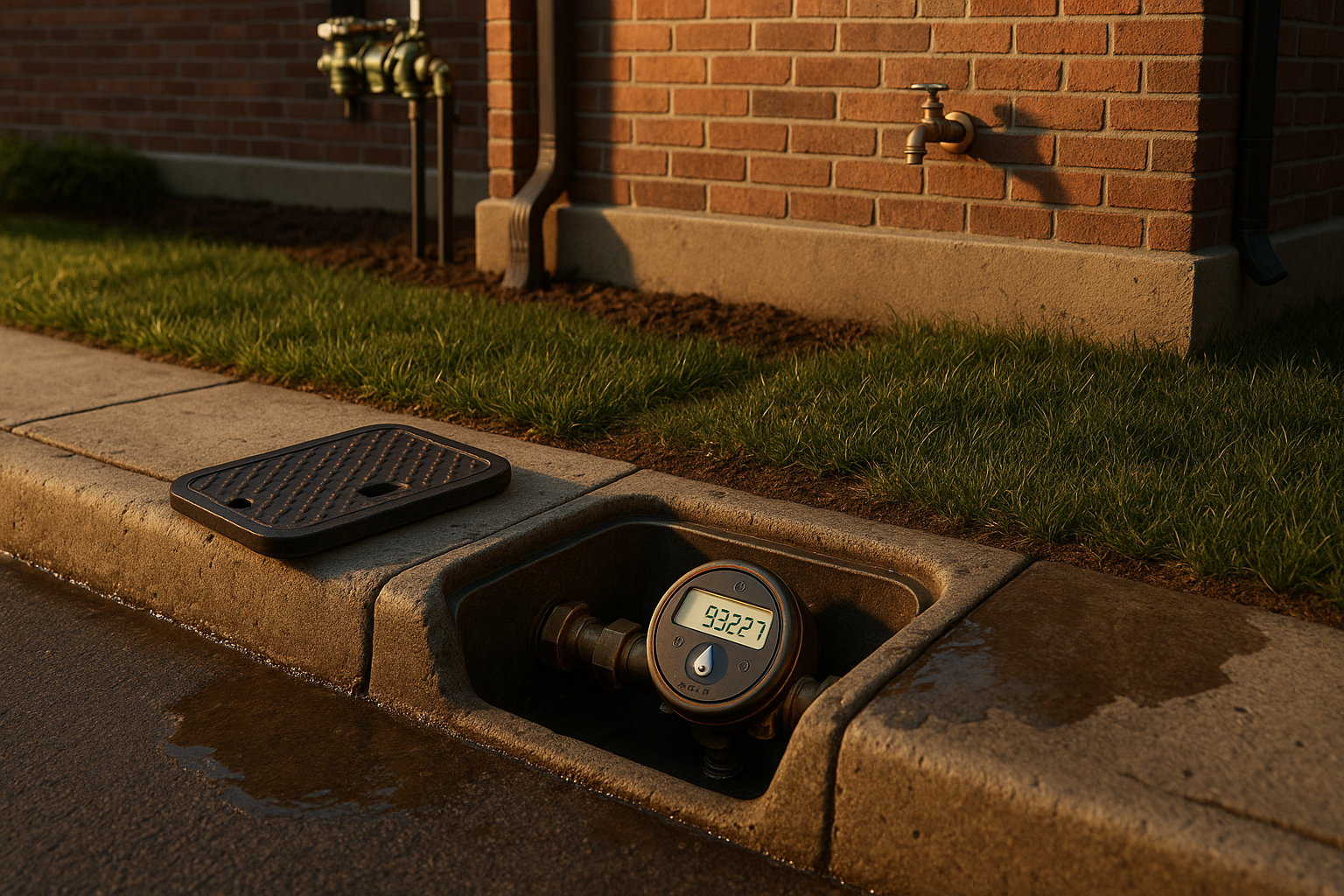
- Visible water supply pipes: Are they copper, PEX, or old galvanized steel? Galvanized pipes corrode from the inside out, cutting water pressure and adding rust to your taps. A lot of Indy homes still have them, and they’re a time bomb.
- Drain and vent piping: We look for sagging, improper slopes, and that DIY venting job from the last guy who thought YouTube made him a plumber.
- Fixtures and shutoffs: Every sink, toilet, tub, and hose bib. You’d be surprised how many shutoff valves don’t actually shut anything off.
- Water pressure: Too high and it stresses pipes and appliances; too low and you’re waiting ages for the shower to rinse shampoo.
- Water heater: We check the age, the flue or venting, the TPR valve (the safety thing that keeps it from turning into a rocket), the expansion tank if there is one, and any signs of leaks or sediment buildup. A failing water heater can flood a basement fast—our water heater leak guide covers what to look for in a pinch.
- Sump pump and pit: We pour water in the pit to make sure the pump actually kicks on, check the check valve, and see where the discharge line goes (straight up and out, not back into the ground).
- Floor drains and cleanouts: Are they accessible? Are they crusted over with gunk? Any sewer gas smell? That rotten-egg odor often points to a dry trap or a cracked pipe underground—more on that here.
- Sewer camera scope (the big one): We feed a camera down the main line from a cleanout or pull a toilet if needed. This isn’t optional for older homes; it’s the only way to spot root balls, offsets, bellies, and cracks before you own them.
The Sewer Camera Scope: Your Best Friend with Older Indianapolis Pipes
If the house has a cast iron or clay sewer line—and most pre-1970 homes in Marion County do—you need a sewer line inspection before buying. Trees are gorgeous, but their roots love the moisture inside your sewer pipe. They’ll crawl through a hairline crack and fill the whole pipe like a sponge. I’ve seen offsets where one section of clay tile slipped down an inch, catching every flushable wipe the previous owners denied using. A sewer scope costs a few hundred bucks, but it can save you from a $5,000–$15,000 replacement after closing. Plus, you can often use the footage to negotiate. Sellers might not believe a verbal report, but they can’t argue with a video of a root ball the size of a soccer ball.
Local Headaches: Galvanized, Cast Iron, and Hard Water
Indianapolis water is hard. Like, really hard. Citizens Energy Group serves most of the city, and the mineral content here speeds up water heater death and clogs faucet aerators with white scale. During an inspection, we’ll note if the water heater has a functioning anode rod or if it’s just a ticking clock. In older neighborhoods with galvanized supply lines, that hard water actually rusts the pipes from the inside, narrowing them to the diameter of a pencil. You’ll notice low flow when two fixtures run at once. And cast iron sewers? They’re tough, but after 50+ years, the bottom tends to rot out, especially if there’s standing water from a belly. Mixed-material homes—copper to galvanized to PEX—often have hidden corrosion at the joints. All of this is common in homes across Indy, from Butler-Tarkington to Broad Ripple.
When Water Softeners, Wells, or Septic Systems Enter the Picture
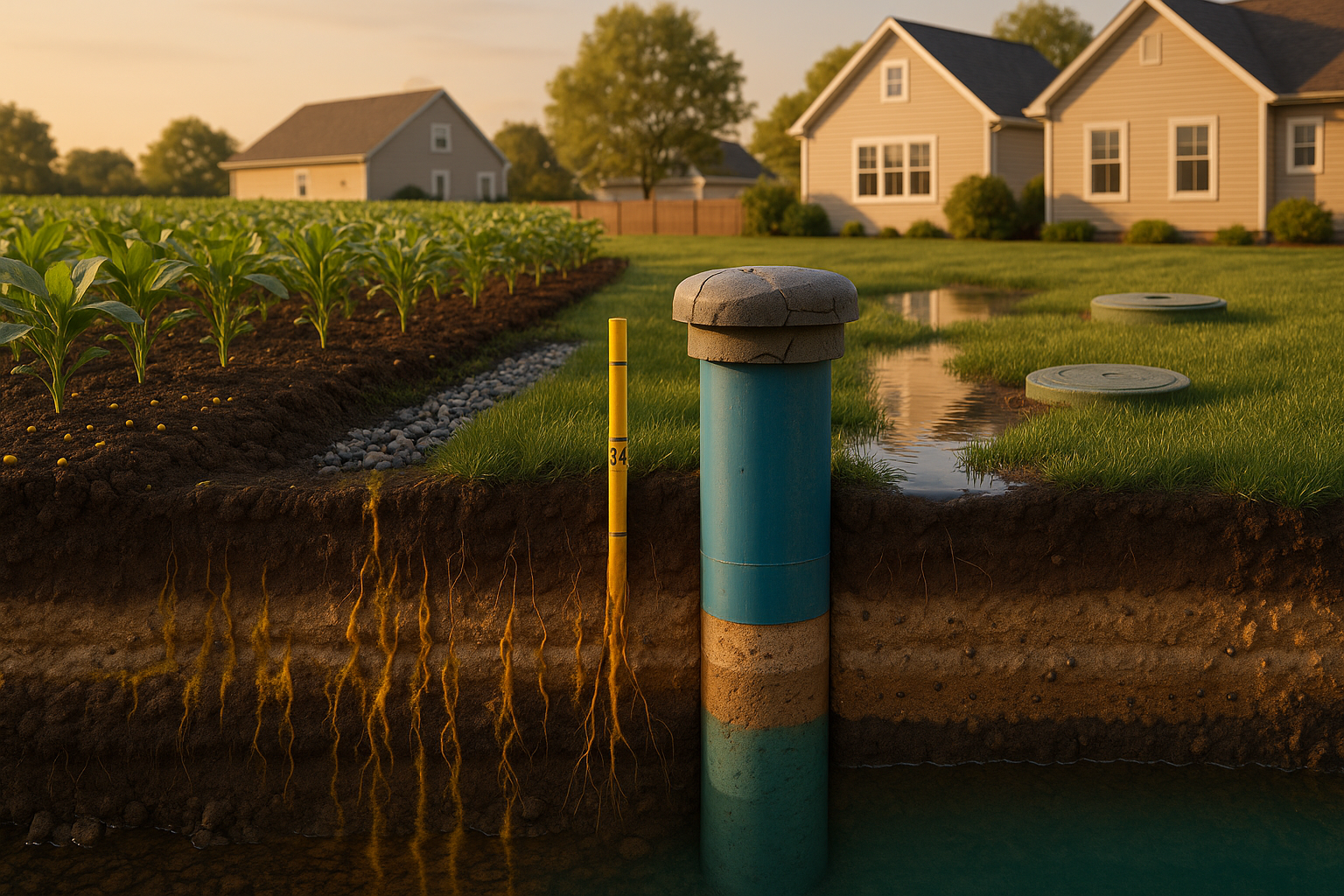
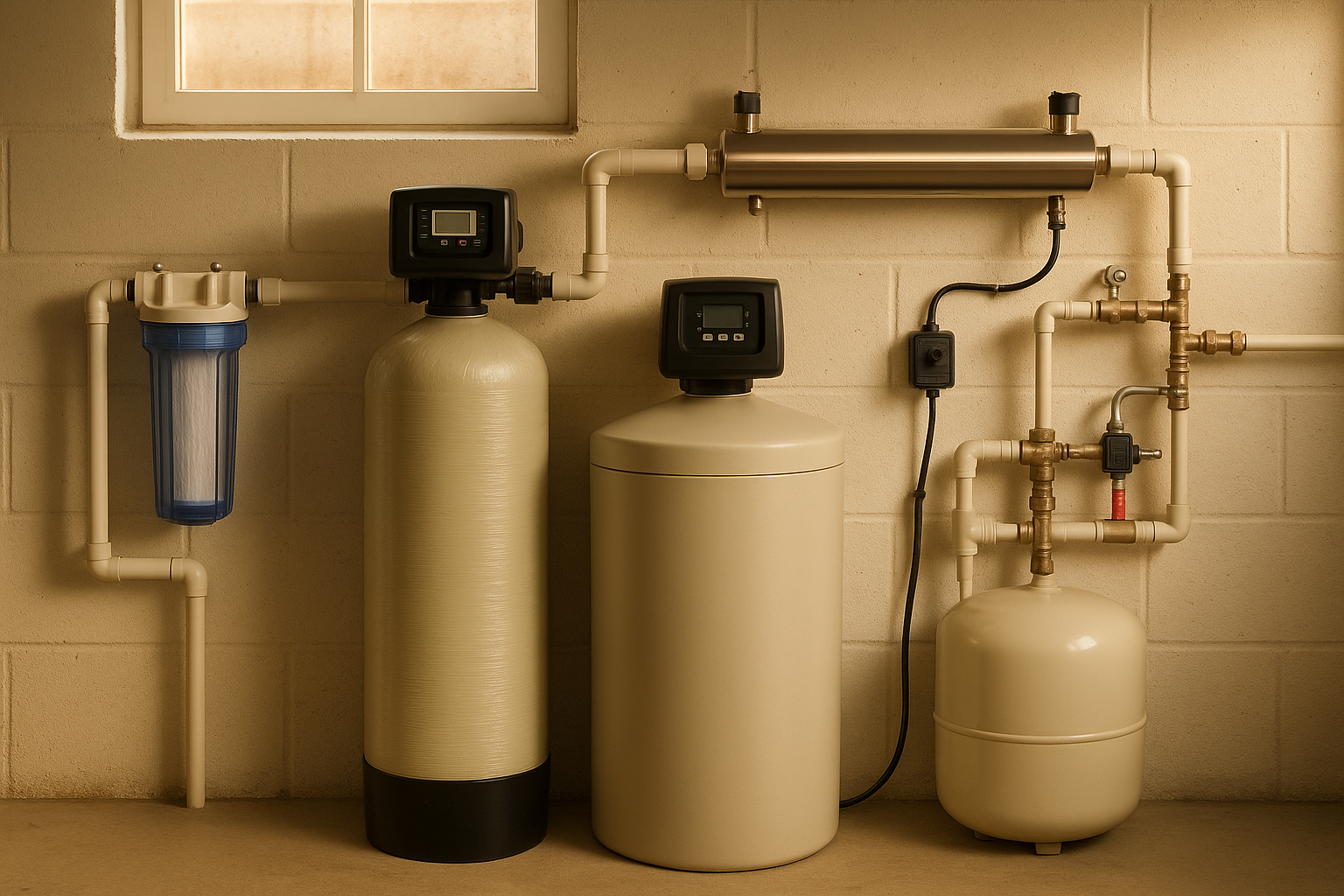
Water softening equipment is practically a necessity around here. If the house already has a softener, we’ll check that it’s actually working—valves not bypassed, brine tank not turned into a solid block of salt. Hard water doesn’t just annoy you; it shreds appliances like dishwashers and washing machines. We’ve seen more than a few brand-new water heaters die early because the softened water stripped the factory anode rod in a year. On the flip side, if you’re looking at a rural property outside the city grid, you might be dealing with a well and a septic system. WaterPros does well inspections and can test for nitrates, bacteria, and flow rate before you buy. Septic systems need a separate check—we’ll look for soggy drain fields, odors, and signs of backup. Don’t assume a seller’s “everything works fine” covers you when a new drain field costs as much as a car.
Sump Pumps and Drainage: Don’t Wait for a Rainy Day
Basements are everywhere in Indianapolis—that’s just how homes were built here. And where there’s a basement, there’s usually a sump pump praying it doesn’t fail during a spring storm. A sump pump inspection Indianapolis buyers request often reveals problems like a pump that’s undersized, a pit full of mud, or a discharge line that dumps water right next to the foundation. Worse, in winter, those outdoor discharge lines can freeze solid if they don’t slope to daylight. That’s why we check for a properly routed and freeze-protected line—here’s why that matters come January. Good drainage outside—grading that slopes away, maybe a French drain—backs up what the sump does inside. If the yard is flat and the neighbor’s runoff ends up in your window well, you’ll want to know before the next downpour.
How a Plumbing Report Gives You Buying Power
Picture this: you’re in negotiations, and your agent hands over a document with photos of a corroded galvanized T-fitting and a video of roots choking the sewer. Suddenly the seller’s “no known issues” holds a little less weight. Our report isn’t a novel—it’s a clear list with safety concerns first, then urgent repairs, then maintenance items. We can even ballpark the cost of recommended fixes so you can ask for a credit or a repair allowance. And because we’re local, we know what permits the city might require for things like a water heater replacement or sewer repair. It puts you in control instead of crossing your fingers.
Ready to Book? Let’s Keep It Simple
A plumbing inspection home purchase check usually takes under two hours, depending on the house size and whether we’re scoping the sewer. Utilities need to be on, and we’ll coordinate with your agent and the seller to get access. You don’t have to be there, though if you can, it’s a great way to learn where your main shutoff is and what every valve does. At the end, you get a report you can actually understand, plus a quote for anything we find. If you’re looking at an older home anywhere from Zionsville to Greenwood, or from Plainfield to Fishers, give us a shout. Request a quote right here and we’ll build a plan that fits your inspection timeline. One less stress, one more informed decision.
Need a plumber you can call back?
Licensed Indiana plumbers, flat-rate pricing, and a written warranty on every job.