My neighbor Sarah in Broad Ripple used to buy cases of bottled water every week. Her tap water? Tasted like a swimming pool, she said—chlorine smell, hard water spots on everything. She tried a filter pitcher, but still got that metallic twang. Then we dropped a reverse osmosis system under her sink. Now she fills her glass straight from the tap. Crisp, clean … no smell, no film on her tea. She tells me she actually drinks more water now. That’s what a good RO system can do. And in Indianapolis, with our water, it’s something a lot of folks end up thinking about.
How Reverse Osmosis Actually Cleans Your Water
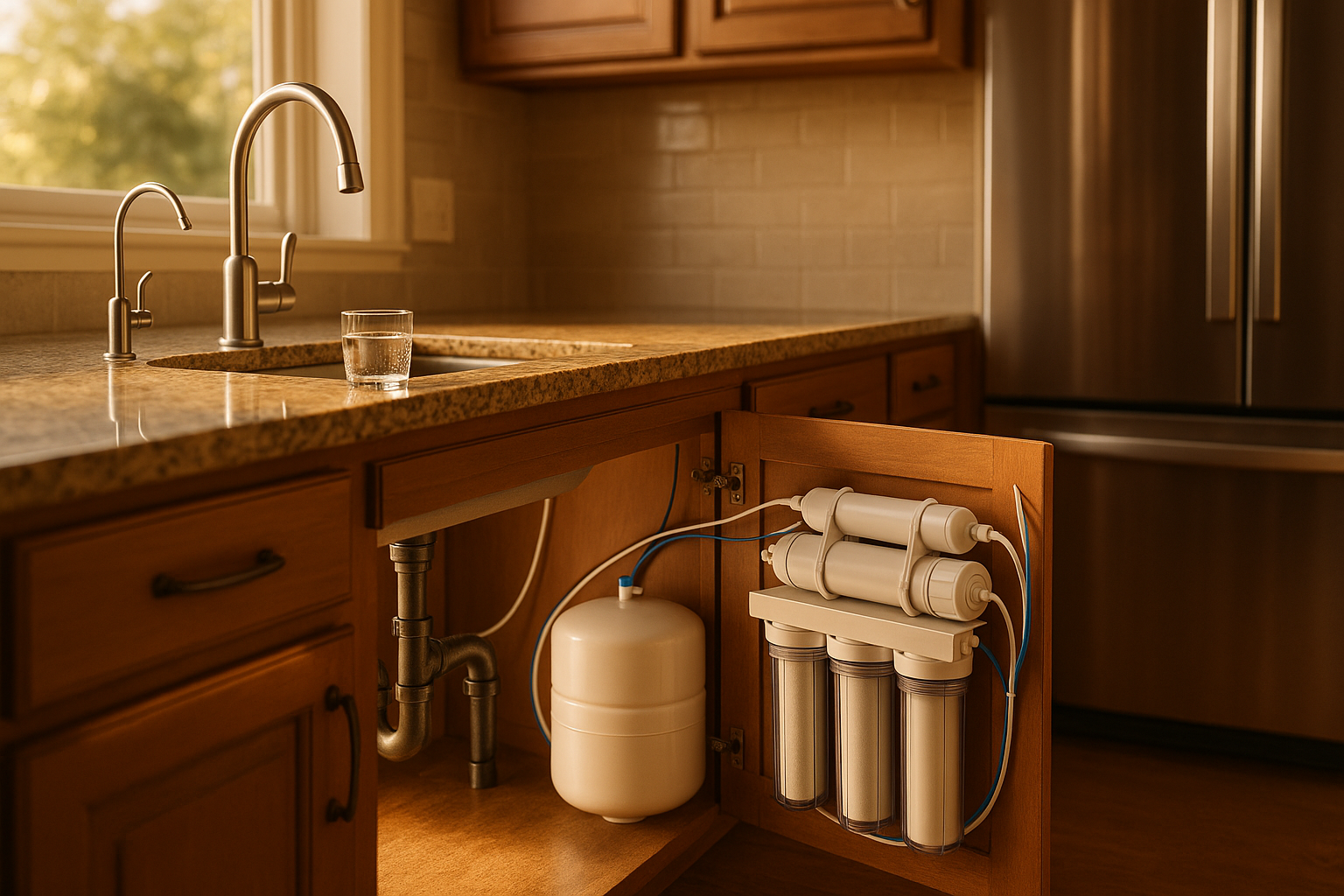
Osmosis is a fancy word, sure. But here’s the simple version: your water gets pushed through a super-tight membrane that catches all kinds of junk—finer than a human hair, way finer. Dissolved solids like calcium, magnesium, lead, nitrates, even some PFAS and arsenic don’t make it through. The result? Water that tastes … well, like water. No chlorine, no weird earthy notes if you’re on a well. A typical RO system has three or four stages: a sediment prefilter to knock out dirt, a carbon block to handle chemicals and taste, the membrane itself, and sometimes a post-filter to polish it up. It’s the most thorough drinking water treatment you can put under your kitchen counter.
Under-Sink vs. Whole-House: Which One’s for You?
For most people in Indianapolis, an under-sink system is the ticket. It sits in your kitchen cabinet, about the size of a mini cooler, with a little storage tank. It gives you about 2–3 gallons of water on demand—enough for drinking, cooking, and maybe a line to your fridge’s ice maker. If you’ve got a family that guzzles water, you can get a bigger tank or a system with a fast-flow booster pump.
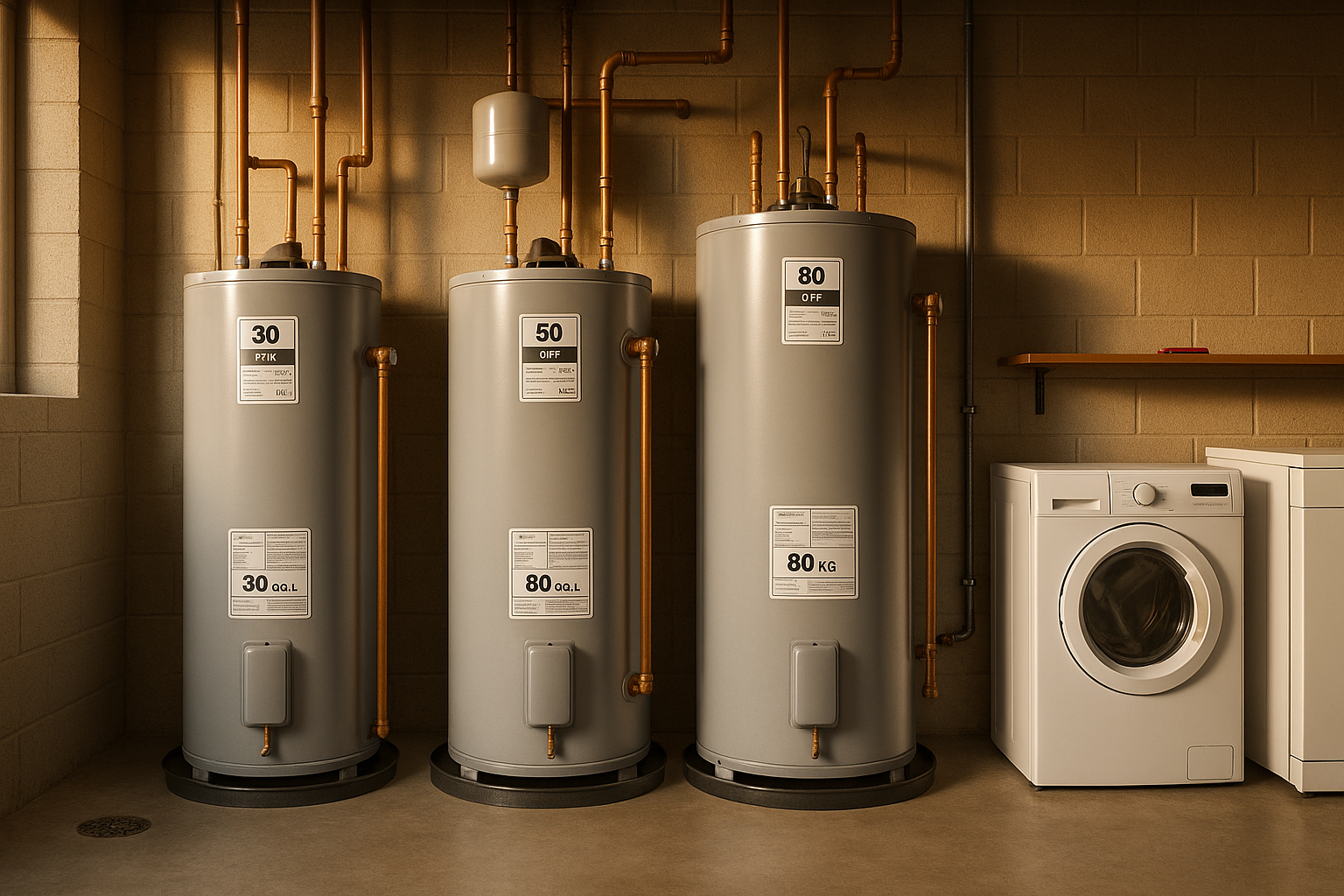
Now, whole-house reverse osmosis? That’s a different animal. That system is massive—it takes up a chunk of your basement or mechanical room, needs a big pre-sediment filter, usually a water softener, and a repressurization pump. It’ll set you back several thousand dollars, and honestly, most homes don’t need it. It’s for special cases, like extremely salty well water or if you have a condition that demands ultrapure water at every tap. For drinking and cooking, under-sink is perfect.
Indy Hard Water and RO: Better Together with a Softener
You know we’ve got hard water here. Carmel, Fishers, Greenwood—pretty much anywhere in Marion County and beyond. That hardness comes from calcium and magnesium, the stuff that crusts up your faucets and kills your water heater. Now, if you put hard water through an RO membrane, those minerals will scale up the membrane and wear it out faster. A water softener takes those minerals out before the water ever sees the RO. So if you already have a softener, you’re set. If not, pairing a softener with your RO is smart. At WaterPros, we supply and install softeners too—we can size one for your house that handles the whole problem, plus feed the RO superb water. It’s like giving your fridge a good electrical supply; it just runs better.
When Your Well Water Needs a Little Extra
If you live on a well in Zionsville, Avon, or Plainfield, you might have more than hardness to worry about. Iron, sulfur, nitrates, maybe bacteria. An RO system can drastically reduce many of these, but well water often needs pretreatment. A good sediment filter upstream is a must—well water can carry sand and silt that’ll clog your RO in a heartbeat. Sometimes you need a UV light to nuke bacteria before the membrane. WaterPros handles well systems from drilling to treatment. We can test your raw water, see what’s in it, and build the right train. (We even have a guide on what to test for in well water.) That way you’re not throwing expensive cartridges at a problem you don’t fully understand.
Install Day: Tanks, Faucets, and That Fridge Line
Getting a reverse osmosis system installed is usually a half-day job. Our guys will scope your under-sink space—most kitchens in Indy have standard base cabinets, but older homes in Broad Ripple or Meridian-Kessler might be tighter. We’ll drill a neat hole in your countertop for the dedicated faucet (granite, quartz, whatever—we’ve got the right drill bits), hook up the drain line to your sink’s drain, and connect the tank. If you want icemaker water, we’ll route a little tubing from the RO tank to your fridge. That way you get crystal-clear ice cubes, no cloudiness.
Now, about that drain line: it’s just a small tube that carries the flush water away. If your kitchen sink drains slow already, that needs fixing first—otherwise, you could end up with a soggy cabinet bottom. We do drain cleaning too, so if your pipe is half-clogged with grease, we can clear it before the RO goes in. Proper drainage keeps the whole install clean and leak-free. Also, if your home has old lead pipes, RO will take that lead out of your drinking water—but you might also want to read up on repiping costs down the road.
Will an RO Mess Up My Septic System?
People on septic—like in parts of Westfield or Brown County—sometimes ask if the RO waste water will hurt the tank. The answer is, not really. The reject water from an RO is just a little more concentrated with the minerals we pulled out, plus a small amount of sodium if you’ve got a softener. That volume is tiny compared to your overall household flow—like 10–15 gallons a week for a typical family. Septic systems easily handle that. But if your septic’s already on its last legs, more water is never great. If you’re worried, we can check the tank and drain field while we’re out. No smoke, no mirrors.
Cost and Upkeep: Money Talk
What’s a reverse osmosis system going to cost in Indianapolis? For a solid under-sink system, you’re looking at around $500 to $1,500 installed, including the unit, faucet, and labor. Higher price points get you extra stages (like a remineralization filter), a booster pump, or a bigger tank. Whole-house is a different story: think $3,000 and up, way up, depending on your water and home setup.
Maintenance isn’t heavy. Every 6–12 months you swap the sediment and carbon prefilters—$20 to $50 each, or about $100–150 for a tech to come do it. The RO membrane itself lasts 2 to 3 years, maybe longer if your water’s soft and clean. A replacement membrane runs $60–120. WaterPros can set you up on a maintenance plan so you never forget.
That “Flat Water” Thing … and Minerals
Some people try RO water and say it tastes flat. That’s because the membrane removes almost everything, including the tiny bit of minerals that give water a little body. The fix is easy: add a remineralization cartridge that puts back calcium and magnesium, just enough for a crisp, clean taste. It’s not just about taste, either—it’s pH balanced, so it’s less aggressive to your plumbing. I always recommend it; it’s like seasoning a dish just right.
Ready to Try a Glass?
If your tap water tastes like the YMCA pool or you’re just tired of hauling bottles, let’s talk. WaterPros services Indianapolis and all the burbs: Carmel, Fishers, Noblesville, you name it. We’ll come out, do a quick water test, measure your cabinet, check your pressure, and walk you through options. No pressure, no high-pressure sales, just a clear plan and a quote. Swing by our site and grab a spot on the schedule—takes ten minutes and you’ll know exactly what it’ll take to get that first perfect glass of water. And if you want more tips, check out the rest of our blog.
Need a plumber you can call back?
Licensed Indiana plumbers, flat-rate pricing, and a written warranty on every job.