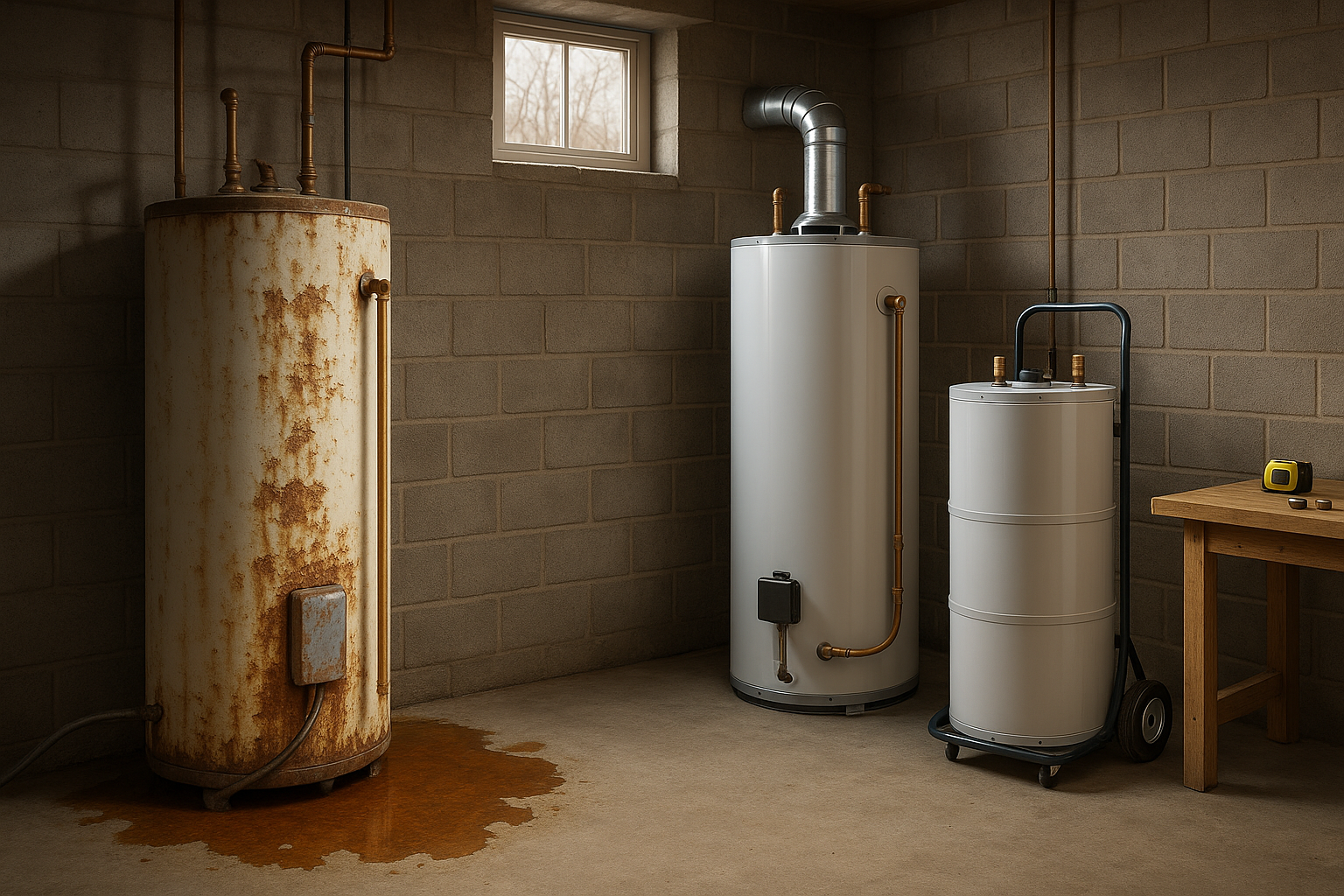
Last February, a family in Greenwood woke up to ice-cold showers. Their 12-year-old electric tank had finally rusted through, leaking rusty water across the basement floor. With three kids and a tight schedule, they couldn't wait. But here's the thing—when the plumber asked "gas or electric?" they froze. They had both options, but which one wouldn't soak their wallet every month?
That's the real question most folks in Central Indiana face when their water heater croaks. You don't want to blow the budget on equipment, but you also hate seeing energy bills spike. I get it. The answer isn't one-size-fits-all, especially around here where cold winters, hard water, and older homes throw curveballs.
What Actually Drives Your Water Heater Costs in Indiana
Forget the sticker price for a second. A water heater's real cost is what you pay to run it over 10 to 15 years. In Greenwood, your bill depends on three big things:
- Your local utility rates (natural gas is typically cheaper than electricity per BTU, but rates move around).
- How cold the water comes in from the street or your well. In January, that incoming water can be 40°F—meaning your heater has to work much harder than in July.
- How much hot water your family actually uses. Morning showers, laundry, dishes—it adds up.
A gas water heater usually recovers faster, so you get more hot water during back-to-back showers. That matters when everyone’s rushing to get out the door. But an electric tank is simpler, no venting to worry about, and if your home doesn’t have gas lines, it’s the obvious choice. Then there’s the heat pump water heater—it’s an electric tank that sips power by pulling heat from the air. In a big basement or garage, it can cut your water heating bill in half. But it makes some noise and cools the room, so it’s not great in a tiny closet.
Gas vs. Electric: The Performance Numbers That Matter
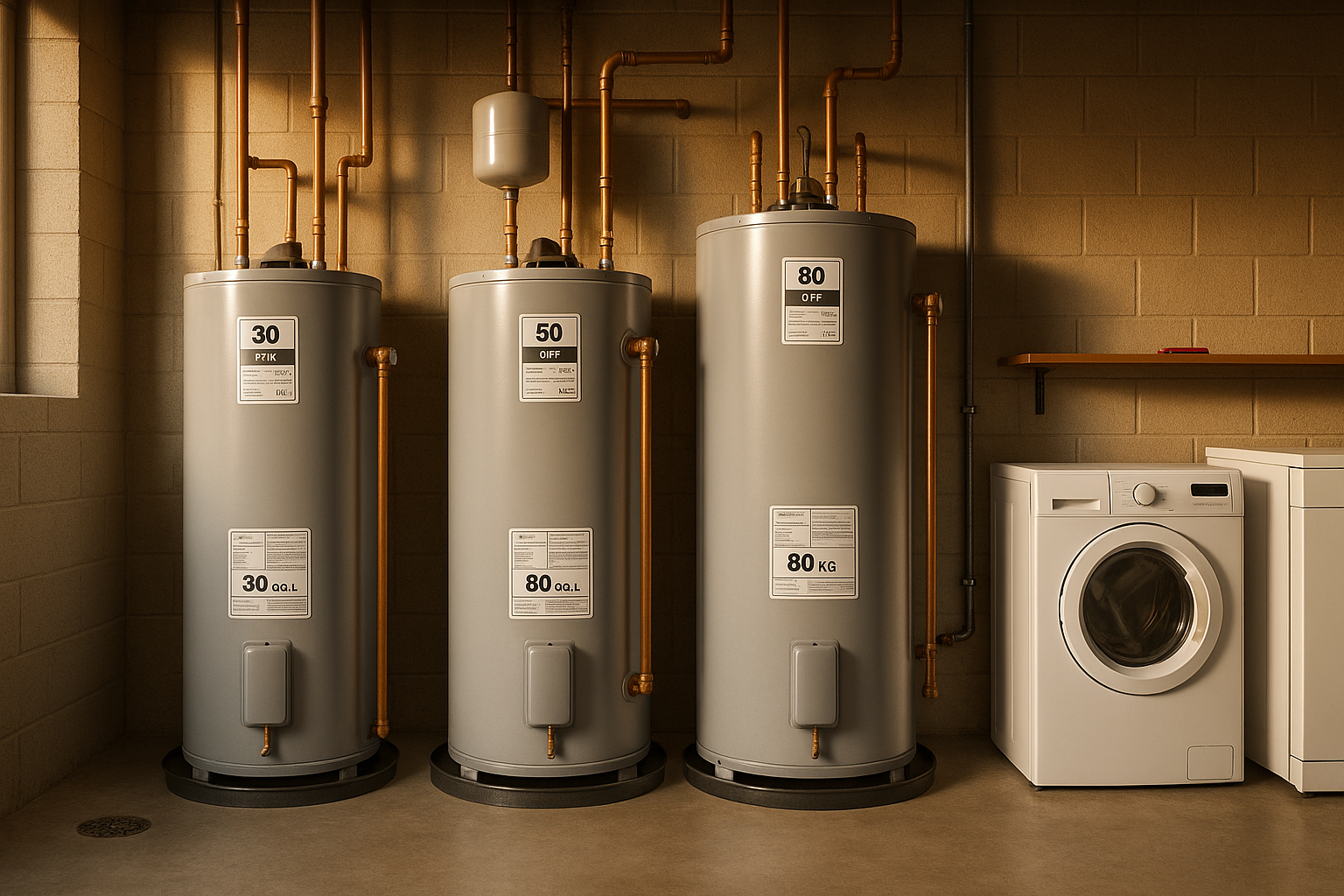
When you’re staring at specs, don’t get lost in efficiency ratings. Look at First Hour Rating (FHR) and recovery rate. FHR tells you how many gallons of hot water the tank can deliver in an hour starting with a full hot tank. For a 50-gallon gas unit, FHR is often around 80–90 gallons, while an electric 50-gallon might only manage 60–70. That’s because gas heats the water faster.
Recovery rate is how quickly the tank can reheat after you drain it. A standard 40,000-BTU gas burner can raise 50 gallons by 90°F in roughly 30–40 minutes. An electric with two 4,500-watt elements might take an hour. So if you have a big family or a jetted tub, gas usually wins. But if you’re a couple in a smaller home, an electric tank does just fine—no point paying for extra speed you don’t need.
Heat pump water heaters (HPWHs) have a lower recovery rate than standard electric, so they rely on a larger tank or backup elements. But they’re so efficient that the annual operating cost can be under $150, compared to $300–$500 for a standard electric or $200–$350 for gas, depending on rates. We run actual numbers using your utility bills when we quote, because rates in Greenwood and Avon can differ from what your cousin pays in Fishers.
Don’t Ignore Indiana’s Hard Water Problem
Here’s a story: a homeowner in Plainfield ignored annual flushing for years. Their water heater died in year 7—half the expected life. The bottom was packed with lime scale from all the calcium and magnesium in our groundwater. If you’re on a well, it’s even worse—mineral content can be off the charts. That’s why we always recommend a water softener if you don’t have one. It protects not just your water heater but also your faucets, dishwasher, and even your septic system from scale buildup. A healthy water softener means less sediment washing into the drain field, by the way. That’s the kind of thing we check for when we install these systems—whether you’re in Brownsburg or Zionsville.
And for those with a septic tank, it’s worth noting: flushing your water heater regularly is still safe, but you should avoid using harsh chemicals that could mess with the bacteria in the tank. We stick to simple water flushing or a mild vinegar soak. Also, if your basement has a floor drain that ties into a sump pit, make sure your sump pump is in good shape before you start draining a 50-gallon tank. Otherwise you’ll be dealing with a wet mess.
The Hidden Stuff: Installation Hiccups No One Warns You About
Swapping a water heater is only quick if you’re replacing like for like. But what if you want to switch from electric to gas? Well, you need a gas line, proper venting, and combustion air. In old Greenwood homes with masonry chimneys, that might mean running a new direct-vent pipe through a wall. Converting from gas to electric can be easier—but you might need a new 240-volt circuit. If your panel is full, that’s an upgrade costing you extra. We always check all this during our visit.
Heat pump water heaters add another twist: they produce condensate, so you need a drain line or pump. Plus, they need about 1,000 cubic feet of air around them—think a basement with an open space, not a closet. They also dehumidify, which is great in a musty cellar but might be a problem if you store things that need dry air. And yes, they hum like a refrigerator. Most families don’t mind, but if yours is installed near a bedroom, you’ll hear it.
For homes on wells, the incoming water pressure can fluctuate. We often add an expansion tank to protect the system, and if your well water has sediment, a pre-filter can save the water heater’s innards. It’s a small cost now versus a short-lived tank later.
Rebates and Tax Credits That Make the Upgrade Sweeter
Right now, ENERGY STAR–certified heat pump water heaters can get you a federal tax credit (up to 30% of the project cost, capped at $2,000) plus maybe a rebate from your electric utility. That can bring the upfront cost down to near what you’d pay for a standard electric. And even if you stick with gas, a high-efficiency condensing unit might qualify for local rebates in some Indiana counties. We keep tabs on that stuff so you don’t have to. Just ask when we’re at your house.
If you’ve been curious about tankless water heaters, they’re an option too—endless hot water, no tank taking up space. But they come with a higher upfront price and often need bigger gas lines or electrical upgrades. We lay out all the numbers side-by-side when we quote.
So, Which One’s Right for Your Home?
After doing this for years across Indianapolis, Carmel, Noblesville, and Greenwood, the pattern is clear:
- If you have natural gas and a spot that vents well, a gas tank is hard to beat for large families. Lower operating costs over time, fast recovery.
- If your home is all-electric or your basement is compact, a standard electric tank can be a solid choice—simple, cheap to install, and reliable.
- If you have a larger basement or garage and plan to stay in the house a while, a heat pump water heater can slash your long-run bills. The dehumidification is a bonus in damp basements.
- If you’re on a well, pay extra attention to water quality. Test your water once a year—there’s a good guide on well water testing that explains what to look for. Hardness, iron, and sediment can wreck any water heater prematurely.
We never push one type over another. We truck roll with a tape measure, a combustion analyzer, and a lot of questions about how you really use hot water. Then we write up a scope with three clear options—good, better, best—so you can compare total installed cost and annual energy estimates.
Ready to Stop Guessing?
Replacing a water heater isn’t something you do often, so getting it right matters. If you’re in Greenwood or anywhere nearby—Plainfield, Westfield, Zionsville—we can come out and evaluate your home in person. No pressure, no scare tactics. Just straight talk and a written quote with all the numbers.
Head over to our quote page and pick a time that works. Or give us a call. We’ll have your new water heater in and the old one hauled away before you know it—usually same day for a simple swap—so you can get back to warm showers and clean laundry.
Need a plumber you can call back?
Licensed Indiana plumbers, flat-rate pricing, and a written warranty on every job.