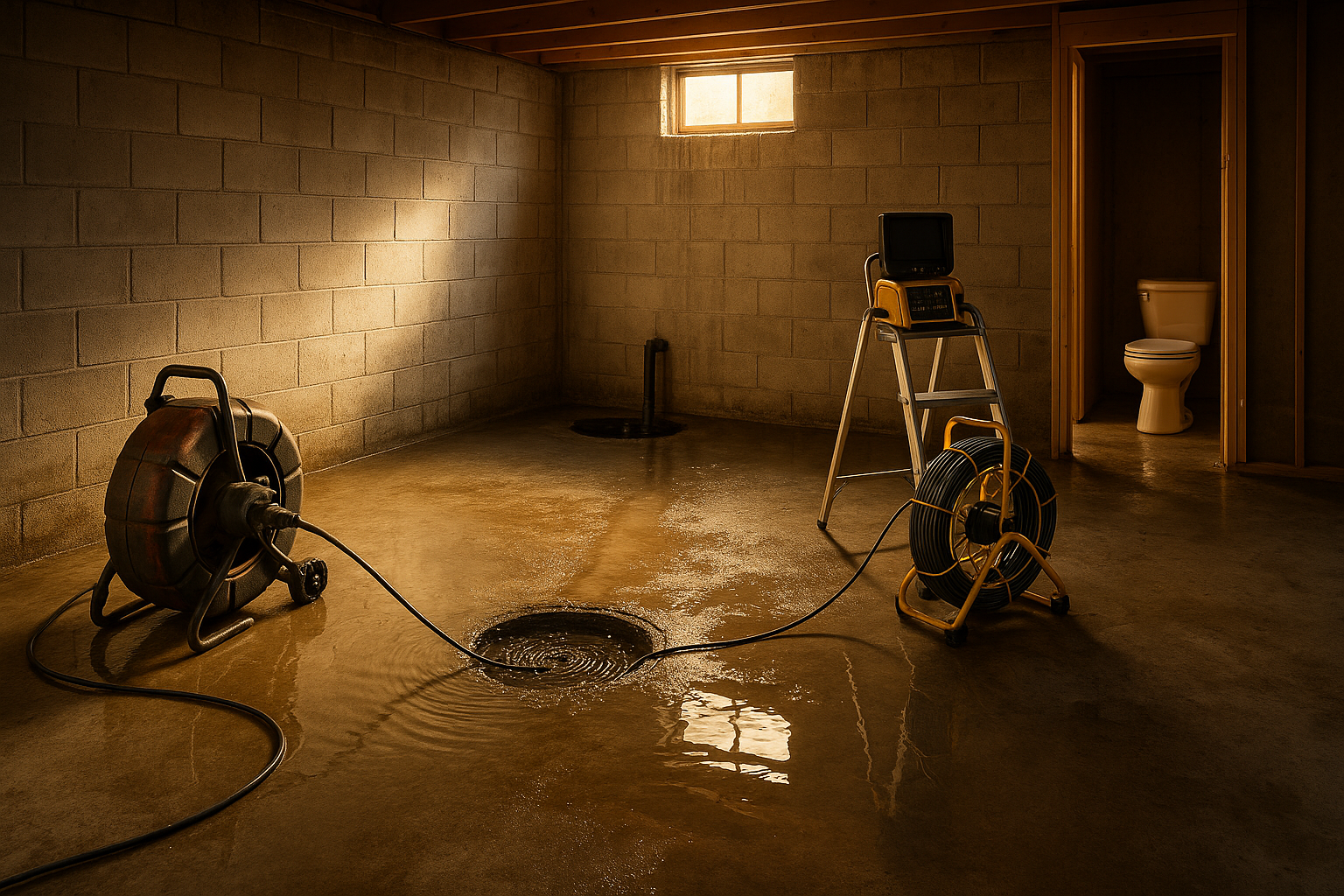
My neighbor Marie in Broad Ripple came home from work one rainy Tuesday to find her basement floor drain belching water like a tiny geyser. The smell alone could knock you over. She panicked—called me asking if I knew how much drain cleaning cost in Indianapolis, because she was terrified of a bill she couldn’t afford. That’s a feeling a lot of us know: standing in ankle-deep water, wondering if you’re about to get taken for a ride.
The good news is, prices here aren’t as scary as you might think once you know what you’re paying for. Let me break it down so you can make sense of it before you even pick up the phone.
What You’ll Pay for Drain Cleaning in Indianapolis
Here’s the honest range for common jobs in Marion County and the surrounding suburbs like Carmel, Fishers, and Greenwood.
Small Fixture Clogs (tub, sink, shower)
A slow kitchen sink or a shower that won’t drain usually falls between $125 and $350. The exact number depends on how deep the clog is and whether they can get to the trap easily. If it’s a simple hair-and-soap situation right at the drain, you’re on the low end. If they have to snake through a tiny access point behind the vanity, it might climb a little.
Main Line Snaking via Cleanout
This is the big one—the main sewer line connecting your house to the street. If you’ve got an outdoor cleanout (that white or black cap sticking out by the foundation), you’re in luck. Snaking from there usually runs $200 to $500. Without a cleanout, a plumber might have to pull a toilet inside your house. That adds some labor—maybe another $100 to $200—and ups the mess potential.
Hydro-Jetting for Grease and Roots
Sometimes a snake just pokes a hole through the gunk but doesn’t clean the pipe walls. That’s where hydro-jetting comes in. It blasts water at up to 4,000 psi to scour the pipe clean. For heavy grease from years of cooking or a tangled mat of tree roots, expect $400 to $900. It’s more than snaking, but if you’re stuck with recurring clogs, it can save you money in the long run.
Camera Inspection Add-On
Ever wish you could see inside your pipes? A camera inspection does exactly that. Most companies charge $150 to $350 to run a waterproof camera down the line after clearing the clog. It’s not always required, but for older homes—especially those with cast-iron or clay tile laterals common in Meridian-Kessler or Irvington—it can reveal cracks, offsets, or roots before they turn into a disaster.
Why Prices Vary So Much
No two houses are the same, and your drain cleaning cost in Indianapolis swings on a handful of things.
Where the Clog Is and How You Access It
The most obvious factor. A pee trap under the bathroom sink is a ten-minute job. A main line buried six feet deep under a frozen front yard? Not so much. If you already have an exterior cleanout, that’s a gift. If not, a plumber might have to pull a toilet—or even cut a temporary access point in the stack—which adds labor and cleanup time. Installing a cleanout someday might be a smart move; it pays for itself in easier future service calls.
Pipe Age and Material Matter More Than You Think
Indy’s older neighborhoods are full of cast-iron and clay tile sewer lines. They’ve been in the ground for 50, 60, sometimes 90 years. Cast iron rusts and develops scale that narrows the opening. Clay tiles shift with the freeze-thaw cycles and invite tree roots through the joints. PVC, on the other hand, is smoother and less likely to clog—but it can still collect grease. So depending on what’s under your lawn, the cleaning method and time change.
The Real Value of a Camera Inspection
I get it—spending $200 to look at a pipe you just paid to clean feels like a upsell. But think of it like an X-ray after a bad sprain. If you skip it, you might walk around on a fracture. A camera confirms the clog is fully gone and catches things like bellies (sags), root balls, or cracks that could cause a backup next month. For homes on slab foundations or near mature trees—we’re looking at you, Zionsville with those old oaks—it’s often worth it. We actually wrote a whole post about camera inspections for home buyers if you want more detail.
Snaking vs. Jetting: Which One Do You Need?
A drain snake is basically a flexible metal cable with a corkscrew tip. It’s great for poking through a wad of toilet paper, a toy, or a soft grease plug. It’s also cheaper and works fast. But it doesn’t clean the pipe walls—it just clears a path.
Hydro-jetting is like power-washing your pipes. It strips away years of grease, soap scum, and scale. If you’ve got root intrusion, jetting can cut the roots and wash them out (though it won’t stop them from growing back; for that you need root killer treatments). Some folks worry jetting will bust old pipes. It can if the pipe is already cracked or collapsed, but a good tech checks first—often with a camera. For most Indianapolis homes with cast iron that’s still sound, jetting is perfectly safe and way more thorough.
Indy’s water is notoriously hard—full of calcium and magnesium that slowly builds up scale inside your pipes, narrows them, and grabs every bit of grease and hair that goes down. That’s one reason a lot of people around here end up installing whole-house water softeners. WaterPros actually supplies and services those too, because softening the water can add years to your plumbing and cut down on those stubborn clogs.
When to Call a Pro (and When You Can DIY)
You’ve probably tried the plunger or a $20 hand snake from the hardware store. No shame in that. For a single slow sink that’s not backing up into other fixtures, those can work. But here’s when you should hit the phone:
- More than one drain is slow at the same time.
- You flush a toilet and the shower gurgles.
- The basement floor drain overflows during laundry or a heavy rain. (Check your sump pump while you’re at it—here’s a maintenance checklist for spring.)
- A foul smell that won’t go away, even after cleaning.
- You’ve tried enzyme treatments and they didn’t fix it.
Please, skip the liquid chemical drain cleaners. They can eat at old metal pipes and they’re terrible for the environment—and your septic system if you have one. If your home uses a septic system—more common once you get out a little further into Noblesville or Brownsburg—a backup might not be a city sewer problem at all. It could be a full tank or a failing drainfield. WaterPros doesn’t just clean drains; they pump and service septic systems too, so they can tell the difference between a simple clog and a septic emergency.
And if you’re on a well? That hard well water can speed up scale buildup even faster than city water. WaterPros even brings in well expertise when needed—they’re also a licensed well drilling contractor, so they understand what that mineral-heavy water does to your pipes.
Then there’s the outside stuff—yard drains, downspout drains, the kind of drainage that keeps your basement dry. A backed-up floor drain during heavy spring rain (like Marie’s) might be a sign that your exterior drainage system is overwhelmed or clogged. WaterPros handles those outdoor drainage headaches too, not just the pipes inside your walls.
What Happens After the Clog’s Gone
You got the line cleared. Now what?
Prevention Without Paranoia
You don’t have to live in fear of every bacon grease drip. Scrape plates into the trash, use a drain strainer in the shower, and maybe run hot water with a little dish soap down the kitchen sink once a week. For homes with a history of root troubles, a bi-annual dose of root killer down the cleanout can help. If your pipes are old cast iron or clay, a yearly camera check or periodic hydro-jetting can keep you ahead of trouble. Think of it like an oil change for your sewer line.
If the Camera Finds Damage
Sometimes the cleaning reveals a problem that needs more than a rinse. A cracked clay tile, a belly that holds water, or a total collapse can’t be fixed by snaking. At that point, you’re looking at a repair—often a spot repair or even a full section replacement. WaterPros will give you a separate, clear estimate for that. Sneaking in a huge repair after a simple cleaning appointment isn’t something they do—they lay out the findings and let you decide.
Get an Honest Estimate Before Work Starts
Nothing stings like expecting a $300 bill and getting handed one for $1,200. That’s why WaterPros walks you through the game plan first: what method they’ll use, where they’ll access the line, whether a camera is part of the job, and what extra costs might pop up (like pulling a toilet or after-hours surcharge). You get a number you can trust—no surprise add-ons after the fact.
If you’re dealing with a slow drain or a full-on backup and just want someone to shoot you straight, reach out through our quote form. Tell us what’s going on, and we’ll help you figure out the next step without any pressure or price games.
Need a plumber you can call back?
Licensed Indiana plumbers, flat-rate pricing, and a written warranty on every job.