Last winter, my friend Jess—lives over in the Kingsley neighborhood of Avon—woke up to a baby screaming and a shower that felt like it was still outside. Zero hot water. She’d already tried flipping the breaker and pressing that little red reset button on the tank, but nothing. By the time she called me, she was ready to either scream or start boiling pots on the stove. I get it. When your water heater quits, it’s not just inconvenient—it feels like the whole house is broken. But nine times out of ten, it’s something simple. And if it’s not? That’s where we come in.
Before You Call a Plumber: Quick Checks You Can Do
First things first—don’t touch anything you’re not comfortable with. If you smell gas or see water pooling, shut things down and call us. But if you’re just dealing with a cold tap, here are a few safe things to look at:
- Is the unit even getting power or gas? Check the breaker, make sure the gas valve is turned on, and verify the thermostat is set to at least 120°F. You’d be surprised how often a kid or a box knocks the switch.
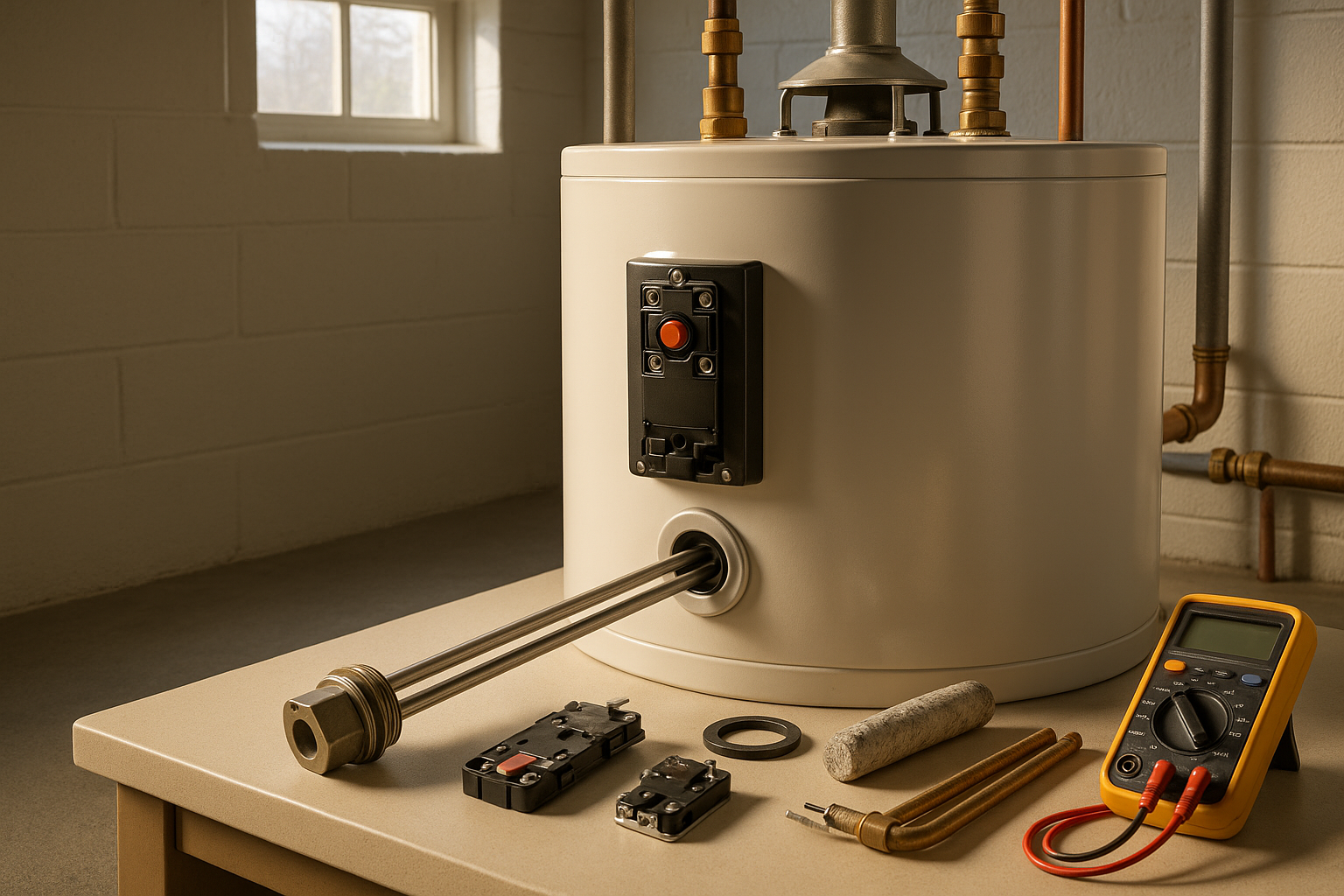
- Try the reset button—once. On electric tanks, that little red button on the upper thermostat is a high-limit switch. Press it firmly. If it clicks and trips again right away, don’t keep resetting it. That means something’s wrong and it’s shutting down to protect you.
- Test multiple taps. Run hot in a bathroom and kitchen. If you’ve got lukewarm water everywhere, it’s probably a different problem than no water at all. Give it an hour and check again—old tanks can take a while to recover.
Still nothing? Time to dig a little deeper.
What’s Actually Wrong? Common Culprits for No Hot Water
A water heater not producing hot water repair usually comes down to one of a handful of issues. Whether you’ve got a gas or electric unit makes a big difference.
Electric Water Heater Not Heating
Electric tanks are pretty simple: heating elements, thermostats, wires. When one goes bad, you often get lukewarm water instead of full-on cold. If the reset button keeps tripping, it’s usually a bad element or a thermostat that’s stuck and overheating. On a multimeter, we check for continuity—no continuity means the element’s dead. Replacing one is a quick same-day job, usually running around $200–$400 depending on the tank.
Gas Water Heater Not Heating
Gas units got more personality. The pilot light won’t stay lit? That’s often the thermocouple—a little sensor that tells the gas valve it’s safe to flow. If the flame goes out the second you release the button, a thermocouple replacement is in your future. Maybe $150–$250. Sometimes the whole gas control valve fails, especially if it’s a newer sealed-combustion unit with an electronic igniter. That’s pricier, often $400–$600.
The Sneaky Stuff: Dip Tube, Sediment, and Hard Water
Here’s one that fools a lot of folks: a broken dip tube. This plastic tube sends cold water to the bottom of the tank to get heated. When it cracks or falls off, cold water mixes right into the hot outlet. Suddenly, your showers go tepid. It’s an easy fix—about $150–$250—but it’s often misdiagnosed as a failing tank.
Worse is sediment buildup. Around here, hard water is a fact of life. Indianapolis water is notorious for calcium and magnesium, and the minerals settle at the bottom of your tank. Over time, that layer of scale muffles the burners or coats the elements, so your water heater has to work harder and takes forever to recover. If you hear popping or rumbling noises, that’s scale popping as it heats. We’ve opened up tanks with three inches of rock-hard crust. That kills efficiency and shreds components years before their time.
This is where a whole-house water softener makes a gigantic difference. Softened water stops that buildup before it starts. At WaterPros, we install and service softeners—it’s a natural add-on when we’re dealing with a water heater not producing hot water repair caused by scale. If your home’s on a well, the problem can be even worse. Well water often carries extra iron and hardness. Our well drilling and service team knows exactly what’s in the ground around Avon and Zionsville, and we can set you up with the right filtration to protect your plumbing from the source.
And don’t forget about drainage. Your water heater’s T&P (temperature and pressure) relief valve has a discharge pipe that has to go somewhere safe. If that valve starts leaking—maybe because the tank overheated—you’ll see water on the floor or hear trickling. That discharge line should drain to daylight or a floor drain, and if it’s clogged or missing, you’ve got a mess. We’ve fixed more than one soaked basement in Carmel because of a poorly routed T&P line. That’s part of our drainage service work—making sure water goes where it’s supposed to.
Oh, and one more thing: if you’ve got a septic system, be careful how you flush the water heater. Dumping gallons of hot, sediment-heavy water straight into your septic could shock the system. It’s rare, but we’ve seen it cause issues. We handle septic inspections and maintenance too, so we keep an eye on the whole picture.
Repair or Replace? How to Decide
So, the big question: is it worth fixing? Here’s my rule of thumb:
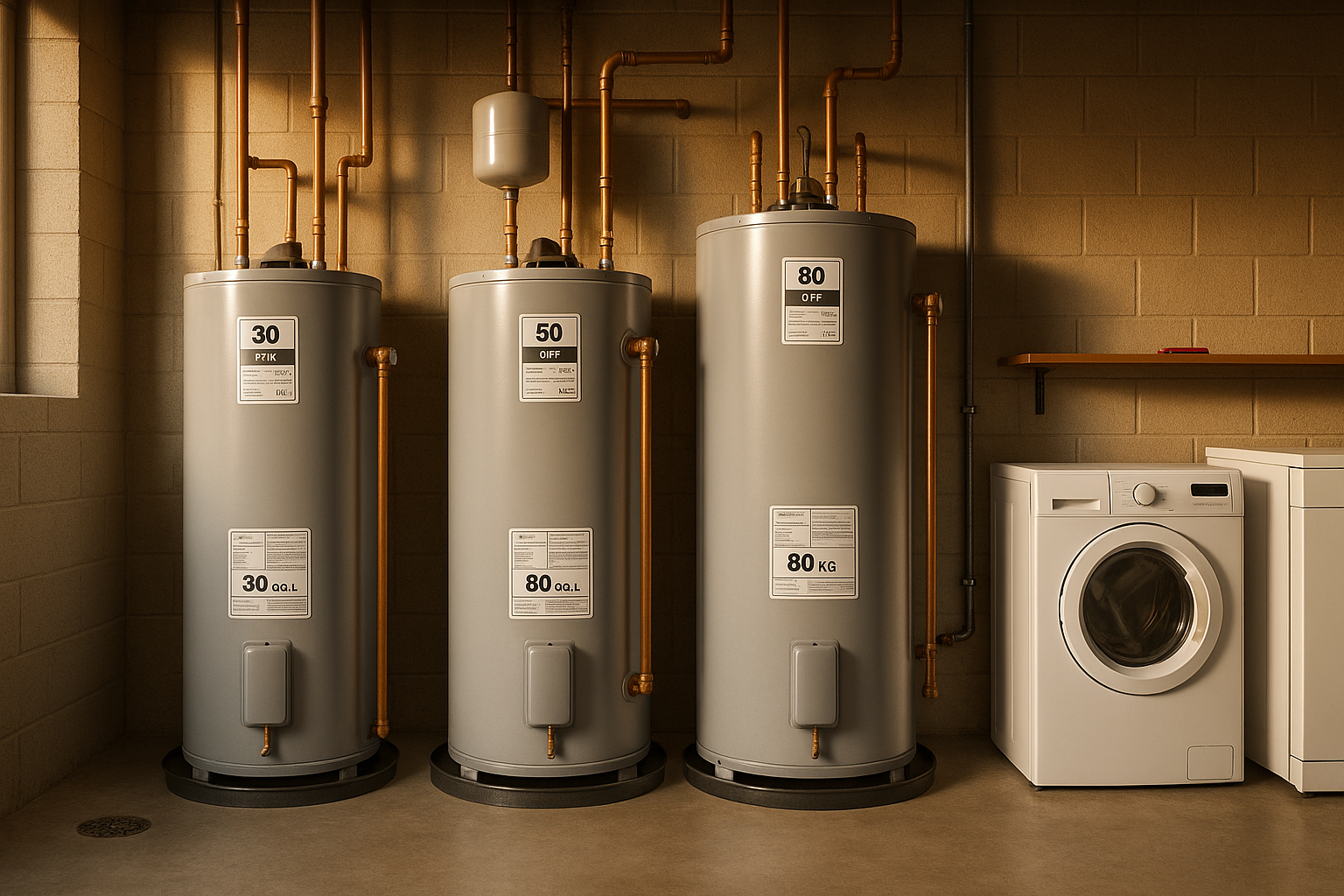
- Age: A standard tank water heater lives about 8–12 years. If yours is pushing ten and it’s the third repair in two years, the math starts leaning toward replacement. New units are way more efficient, and you’ll dodge the next breakdown.
- Rust and leaks: See rusty water coming from the hot side? That’s often the tank itself corroding. Once a tank starts leaking from the bottom, it’s done. No epoxy will save it.
- Cost of repair vs. cost of replacement: A $300 repair is fine on a five-year-old tank. The same repair on a 12-year-old tank is just buying time. Think about the total cost of ownership.
We’re never gonna push you into a replacement if a repair makes sense. We lay out the numbers—what a fix costs now, what a new tank costs, what you’d save on energy—and let you choose. No pressure.
What Happens When WaterPros Shows Up
When you call us for a water heater not producing hot water repair, here’s what you get: one of our guys will show up in a clean truck, introduce themselves, and listen. You tell us the symptoms, any weird noises, how long it’s been doing it. We’ll run through the obvious—check voltage, gas pressure, pilot, elements, thermostats, the anode rod condition, dip tube, T&P valve, venting, combustion air—the works. We take photos, show you what we find, and hand you a written estimate with clear prices before we touch a wrench.
Most repairs happen same-day if we have the part on the truck. Standard gas valves, heating elements, thermostats, thermocouples, dip tubes—we keep all that stocked because we know nobody wants to take another cold shower tomorrow. Tank replacements are often done the same day, too. We’ll haul away the old one, handle any permits Hendricks County requires (yes, you need one for a water heater replacement), and clean up like we were never there.
Keeping Your Water Heater Happy (and Hot)
Prevention’s cheaper than panic. Here’s what I tell my Avon neighbors:
- Flush your tank once a year. It takes an hour and costs nothing if you do it yourself. Just hook a hose to the drain valve, let it run until the water’s clear. This blows out sediment before it solidifies. If you’re on a septic, route that hose carefully or call us—we have pumps that filter the junk out.
- Inspect the anode rod every 2–3 years. That sacrificial magnesium rod stops your tank from rusting. When it’s eaten down to bare wire, swap it. A $30 rod saves a $1,500 tank.
- Soften that water. Seriously, if you don’t have a softener, you’re burning through appliances. Read more about hard water and softeners here.
- Before winter cold snaps, give the heater a quick look. Frozen pipes aren’t your hot water’s fault, but a struggling unit in December makes everything worse. Here’s how to winterize your plumbing.
- Test the T&P valve once a year—lift the lever and let it snap back. If it doesn’t release water then shut off tight, replace it. That little valve is your last line of defense against a dangerous pressure buildup.
Bottom line: you don’t have to solve this yourself. If you’ve got a water heater giving you cold stares, hit the button below and book a same-day diagnostic. You’ll get an honest, itemized quote and a solid plan—whether that’s a repair or a replacement. We do the hard work so you get back to hot showers and full sinks, usually the exact same day. Get your free estimate now.
Need a plumber you can call back?
Licensed Indiana plumbers, flat-rate pricing, and a written warranty on every job.