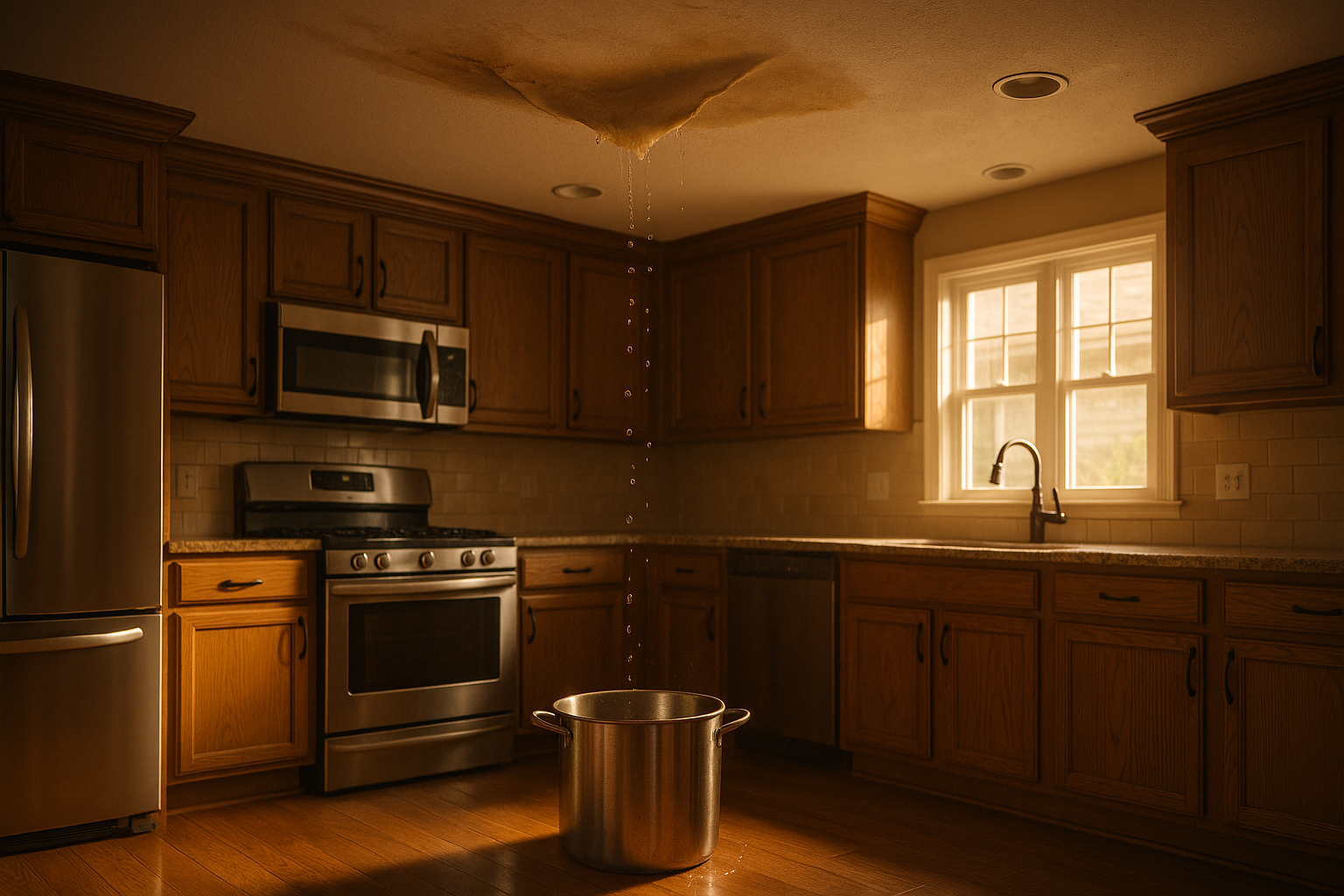
Last January, my neighbor in Brownsburg came home from a quick weekend trip to find his kitchen ceiling raining into a stockpot. A pipe in the attic had split wide open. He’s a smart guy—just figured he’d shut the cabinet doors and crank the heat down when he left. Big mistake. It took him a week and a couple thousand dollars to fix the mess. I never want to be that guy. And if you’re reading this from nearby Hendricks County, you shouldn’t be either. That’s the whole point of winterizing your plumbing before the polar vortex swings through again.
This isn’t about wrapping your pipes in old towels and hoping for the best. It’s about doing a few cheap, straightforward things that actually work in an Indiana winter. And yes, even if you’ve got PEX and an insulated garage, the cold finds ways to mess with you. So let’s walk through it, step by step.
Why Indiana Winters Are Hard on Pipes
Look, we don’t get Minnesota cold every single night, but Central Indiana gets into the teens and single digits enough that freeze-thaw cycles chew up exposed plumbing. Brownsburg sits right in that sweet spot—open fields, wind-chill that doesn’t play around, and older homes with additions slapped on over the years. Frost goes down about three feet, which is why your buried water service line is usually fine, but anything above ground or in a crawlspace, garage, or attic is fair game. And it’s not just the subzero nights—a week of barely-above-freezing with wind can do the dirty work.
I hear it all the time: “It doesn’t get that cold every year.” True. But you only need one burst pipe to turn your finished basement into a wading pool. Cheaper to spend an afternoon now than a week with a disaster cleanup crew later.
Start Outside: Hoses, Spigots, and Irrigation
First thing: grab a bucket, walk around the house, and disconnect every hose. If you leave a hose screwed onto the spigot, water can’t drain out of the line and it’ll freeze back into the wall. Find the interior shutoff for each outdoor faucet. In a lot of Brownsburg homes—especially the 1970s ranches and older—those shutoffs might be tucked in a closet, a basement ceiling, or behind a panel. Close them tight, then open the outside spigot to let it drain completely. Pop an insulated faucet cover on it ($4 at the hardware store, easy). If you’ve got frost-free sillcocks, they’re designed to drain back when shut off, but I still throw a cover on—belt and suspenders, you know?
If you have an irrigation system, this is not a DIY blow-out moment unless you’ve got the right compressor. Call a pro to winterize the backflow preventer and drain the lines. A cracked backflow assembly runs $300–500 easy. I’ve seen guys try to just open the drain and walk away, then come spring they’ve got geysers in the yard. Worth scheduling now, before the November rush.
Insulate Everything You Can Reach
Now head inside, into the basement, crawlspace, or garage. Anywhere you can see the pipes, they need insulation. I’m talking the foam tubes that snap on—at least 3/8 inch thick, and I’d go ½ inch if you can. Do both hot and cold lines. Yeah, hot too; the water in a hot pipe can freeze faster in a cold space because the pipe’s already warm and radiates heat, and when the water stops moving it cools fast. Seal up gaps where pipes go through walls, floor joists, or rim joists. Spray foam or caulk does the trick. That draft is like a tiny freezer blower on your pipe.
If you’ve got PEX, don’t get smug. Yes, PEX can expand a bit if it freezes, so it doesn’t crack as readily as copper or CPVC, but the fittings are rigid and they’ll pop. Frozen PEX can still leave you without water until things thaw, and the fittings fail often at the joints. So insulate it just the same.
In a garage that’s not heated, and you’ve got plumbing running there—say, a sink, a water softener loop, or the line to a hose bib—that’s a freeze spot. Same for a crawlspace that’s open to the wind. I’ve seen people just pile some fiberglass batts over the pipes, but that’s iffy; the real fix is to seal vents for winter and insulate the pipes directly. And if a particular pipe runs right against an outside wall and you can’t add enough insulation, consider a heat cable. UL-listed only, not the cheap stuff. Follow the instructions—don’t cross it over itself, don’t insulate over it unless the cable is rated for that, and plug it into a GFCI outlet. It’s not a fire hazard if you do it right. I used one on a stubborn line in my own garage for years, no issues.
Prep Indoor Systems for the Deep Freeze
Alright, inside the house. When the forecast shows a string of nights below 10°F, especially if winds are kicking, do a few things:
- Set your thermostat no lower than 55°, even if you’re away. Pipes can freeze in walls if the house gets too cold.
- Open bathroom and kitchen cabinet doors on exterior walls so warm air gets to the pipes.
- Let a cold-water faucet—usually the farthest one from the main line—drip at a pencil-thin stream. This keeps water moving and relieves pressure. Costs maybe a few cents a day. Do it when temps dip below 20°F for an extended stretch.
Now, your sump pump. If you’ve got a basement, test it. Dump a bucket of water in the pit to make sure it kicks on and the discharge hose outside isn’t frozen solid. A frozen discharge line will back up water into the pit and eventually flood your basement. I like to add a freeze guard or an air gap near the exit—simple PVC mod that lets water out even if the line ices over. Make sure the line slopes away from the house.
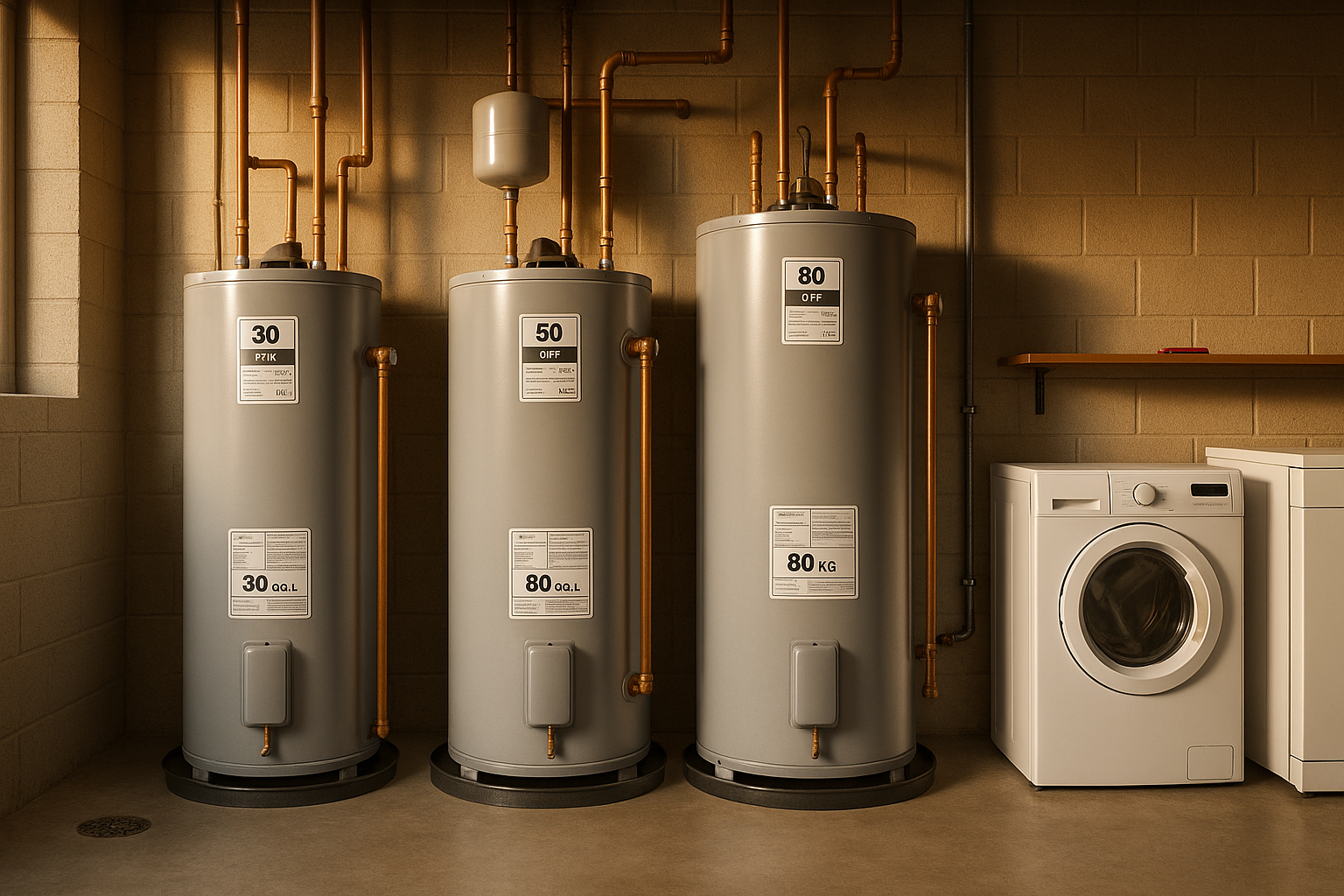
Water heater: If you’re heading out of town for a week, set it to vacation mode (most modern ones have it). If your heater’s in a cold space, insulate the first 6 feet of hot and cold pipes. Check that expansion tank—if the air pressure is off, it can mess with the system when it’s cold.
Septic systems and wells? They get neglected in winter talk. If you’re on a septic tank in the Brownsburg area, make sure your tank and lines are well-insulated—snow actually helps insulate, but if it’s an open, windswept yard, you might need extra insulation over the tank and drain field lines. A frozen drain field is a mess you don’t want. Same with well systems: if you have a well house, heat it minimally or insulate the pressure tank and switch. I’ve seen too many well pumps burn out because ice blocked the pressure switch. (We get a lot of calls about well pumps that stop working right after a cold snap.)
Water softener loops in unheated garages are pretty common around here. If your softener and its lines are out there, insulate everything—the bypass valve, the drain line, the brine tank. A hard freeze can crack the resin tank or the control head. And nobody wants to deal with soggy salt and a flooded garage. (Hendricks County water is hard, so you probably rely on that softener; protect it.)
Drainage around the house matters too. If you’ve got a French drain or a yard drain that empties into a low spot, make sure it’s clear so water doesn’t pool and freeze into an ice dam that backs up to the foundation. A stuck sump pump discharge or clogged gutter downspout can cause similar headaches.
What to Do If a Pipe Freezes Anyway
Okay, so you wake up on a 5-degree morning and the kitchen faucet gives zero water. Don’t panic. First, leave that faucet open. Find your main water shutoff and be ready to close it if you see water when things thaw. To warm the pipe, you need slow, gentle heat. A hair dryer on low, a space heater pointed at the wall (safely, from a few feet), or an electric heating pad wrapped around the pipe. No torches, no high-powered heat guns—you’ll boil the water inside and pop the pipe or start a fire. Work your way from the faucet back toward the frozen section. If you can’t find the freeze or it’s behind a finished wall, call us. We’ve got pipe thawing equipment that does it without damage. (We also get plenty of burst pipe emergencies after folks try the “crank up the heat and hope” method.)
Know Your Main Shutoff
You’d be shocked how many people have no clue where their main water valve is. Before the cold hits, find it. It’s usually in the basement, crawlspace, or near the water meter. Tag it with a bright tag. Show everyone in the house. If a pipe blows, you don’t want to be fumbling in the dark while your ceiling turns into Niagara Falls. Same goes for those individual hose bib shutoffs—label ’em.
Are You Heading Out of Town?
If you’re leaving for a week or more in winter, the safest bet is to shut off the main, open all faucets to drain, and blow out the lines (pros can do this with compressed air). Pour RV antifreeze into all sink and floor drains to protect the trap seals. That’s the gold standard. If you’d rather not shut down everything, then at least follow the indoor steps—drip faucets, set heat at 55°, and have a neighbor check the house every couple days.
When a Pro Is Worth the Money
Look, a lot of this is DIY-able. But if you’ve got an older house with no shutoffs on hose bibs, or your main valve is buried behind drywall, or your crawlspace is tight and scary, or you’re just not sure, bring in someone who does this all the time. We can add frost-free sillcocks, install proper shutoffs, insulate pipes the right way, and check your sump pump and backflow preventer. And if you’re planning a trip, we can winterize the whole place for you in about an hour. Peace of mind costs a fraction of what a burst pipe will.
If you’re in Brownsburg, Avon, Plainfield, or anywhere in the Indianapolis area, WaterPros can walk you through it. We know the local quirks—windy lots off 267, crawlspaces in old subdivisions, hard well water out toward Danville. We’re not pushy, we’re just practical. Get a quote for winterization or any upgrades. Hit us up here or go straight to our quote form.
Need a plumber you can call back?
Licensed Indiana plumbers, flat-rate pricing, and a written warranty on every job.