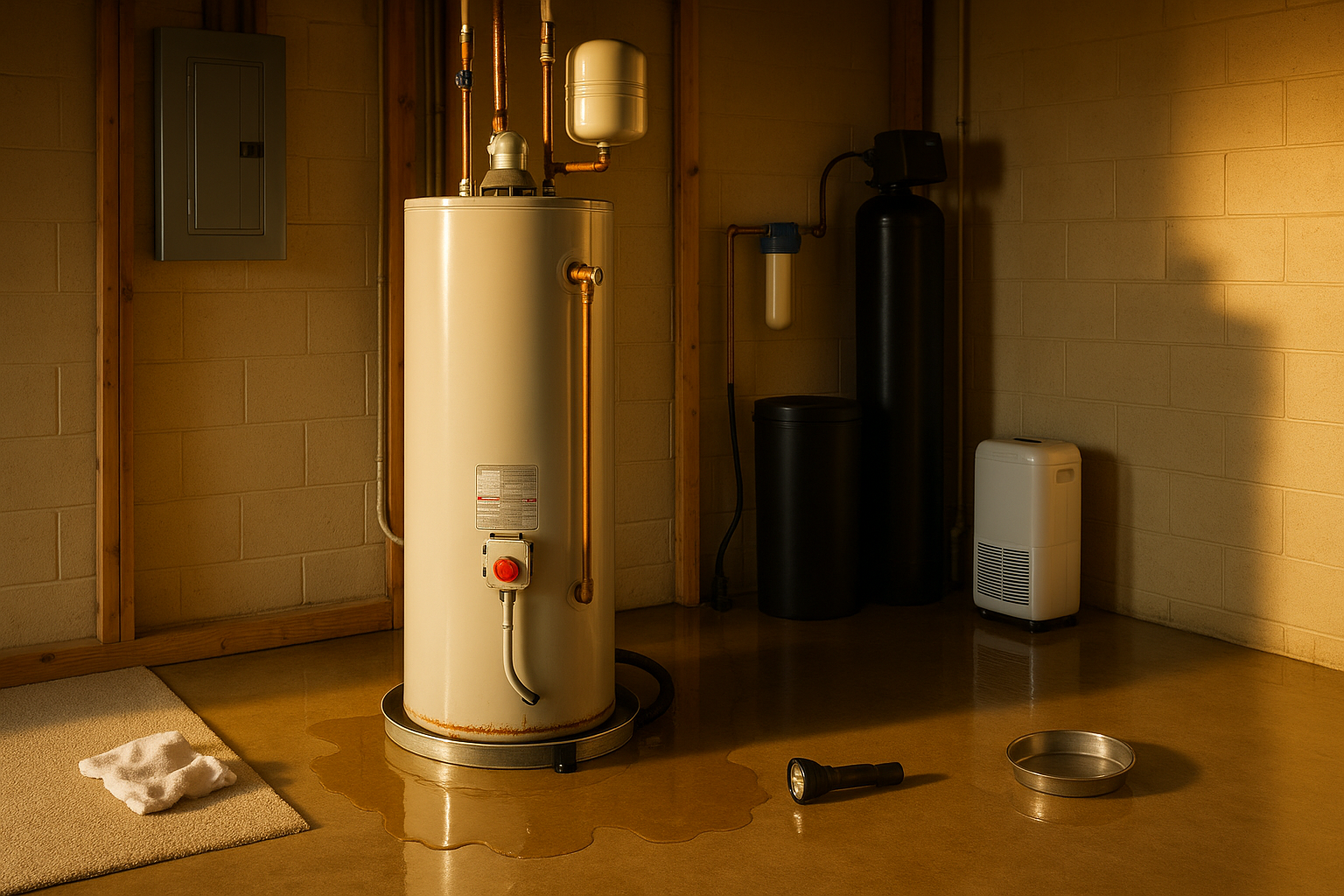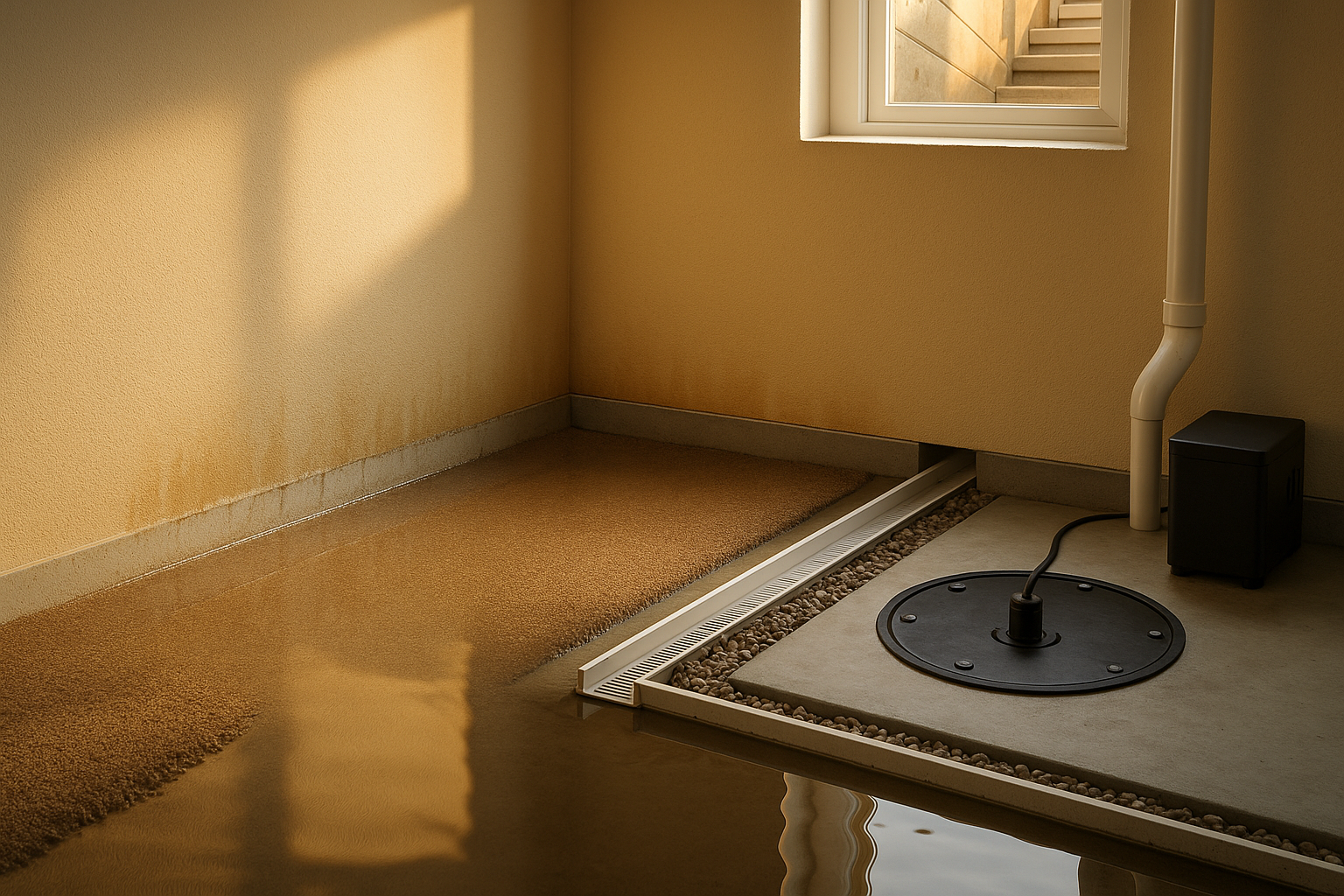
Last spring I got a panicked call from a couple over in Fishers. It was after dark, storm raging, and their basement was turning into a swimming pool. Their old sump pump? Dead as a doornail. They'd been meaning to replace it, but you know how it goes—life gets busy. That one night cost them thousands in ruined carpet and drywall. All because of a $400 pump.
So if you're reading this, you're already smarter. You want to know the actual sump pump installation cost in Fishers Indiana, and you want it done right before the next big rain. Let's dig into the numbers—no fluff, just what a solid job costs and why.
What Goes Into a Sump Pump Job?
Here's the thing: "installation cost" means different things depending on your home. Some folks just need a pump swap—old one out, new one in. Others need the whole deal: a new pit, maybe some concrete cutting, fresh discharge line, and a backup system. Price ranges are wide for a reason.
For a basic pump replacement—when your existing basin and plumbing are fine—you're looking at $600 to $900. That's labor and a good pump, like a Zoeller submersible. But if you need a full install in a basement that never had a sump? That can run $2,500 to $4,500. The difference is in the digging, coring through the slab, hauling away spoils, and getting everything routed outside without tearing up your yard too much.
Here in Fishers, most homes built in the last 20 years already have a sump pit. So you might be closer to that lower end. But if your pit is too small, or your discharge line is clogged or frozen up, costs tick up.
New Install vs. Swapping an Old Pump
Let's break it down.
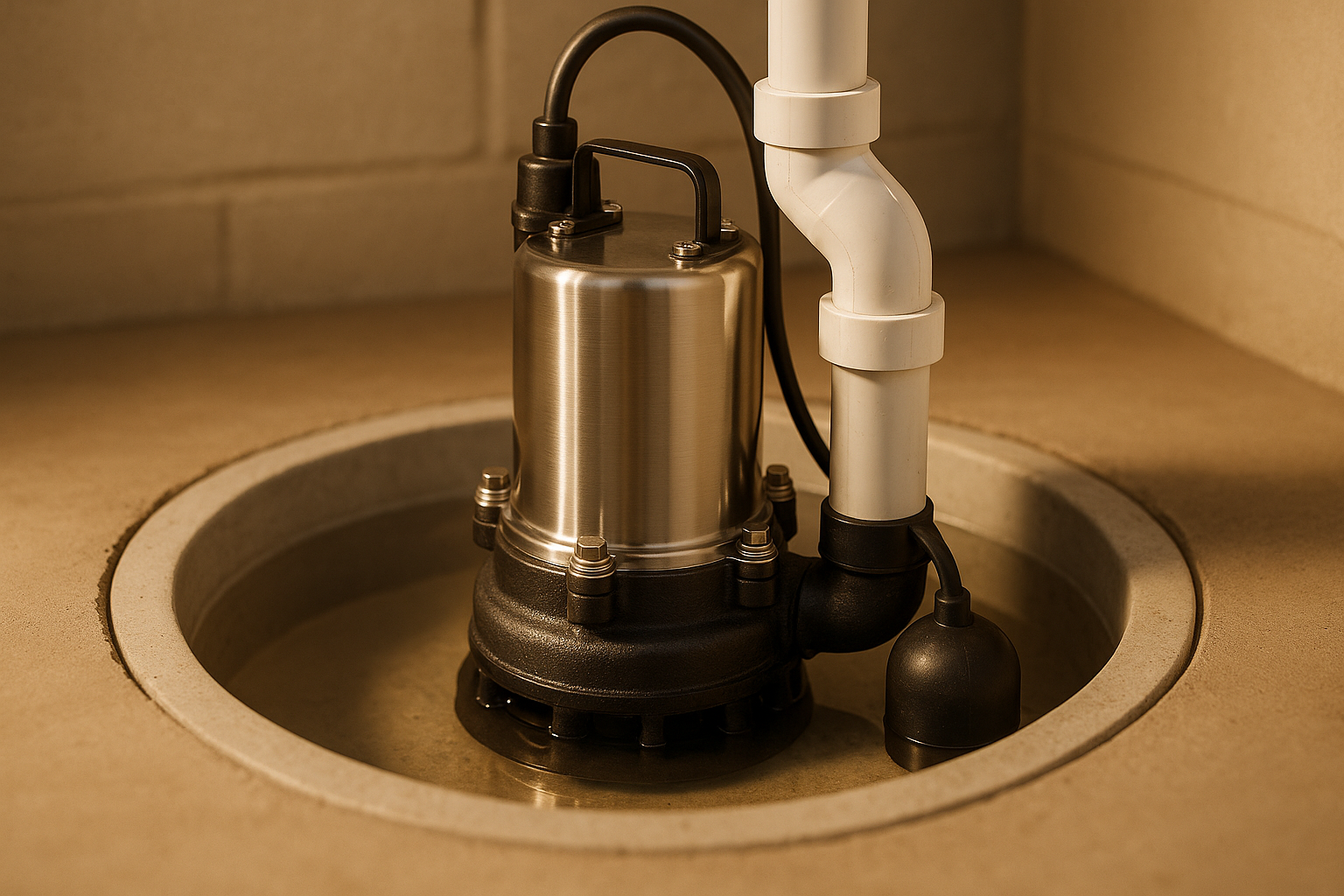
If we're just swapping out a dead pump, we can usually be done in under two hours. We come in, pull the old one, clean out the pit a bit, set the new pump, check the check valve, and test it. Minimal dust, no big mess. You can use your basement right after.
A full new install is a different animal. We gotta cut through the concrete floor (don't worry, we contain the dust), dig a pit, set a proper basin, run a discharge line that slopes away from the house, and patch the concrete. That's a half-day job. Your basement might be out of commission for a day, but we keep things clean and walk you through it. We've done enough of these in Fishers to know how to tiptoe around finished basements.
Why Local Soil and Weather Matter
Fishers sits on heavy clay soil. Clay holds water like a sponge, which means hydrostatic pressure pushes against your foundation. If there's a big rain, the ground gets saturated fast. That's why sump pumps here work hard. If you're near the White River or Geist Reservoir, groundwater can be even higher. So we often recommend a larger pit (24-inch basin instead of 18-inch) so the pump cycles less and lasts longer.
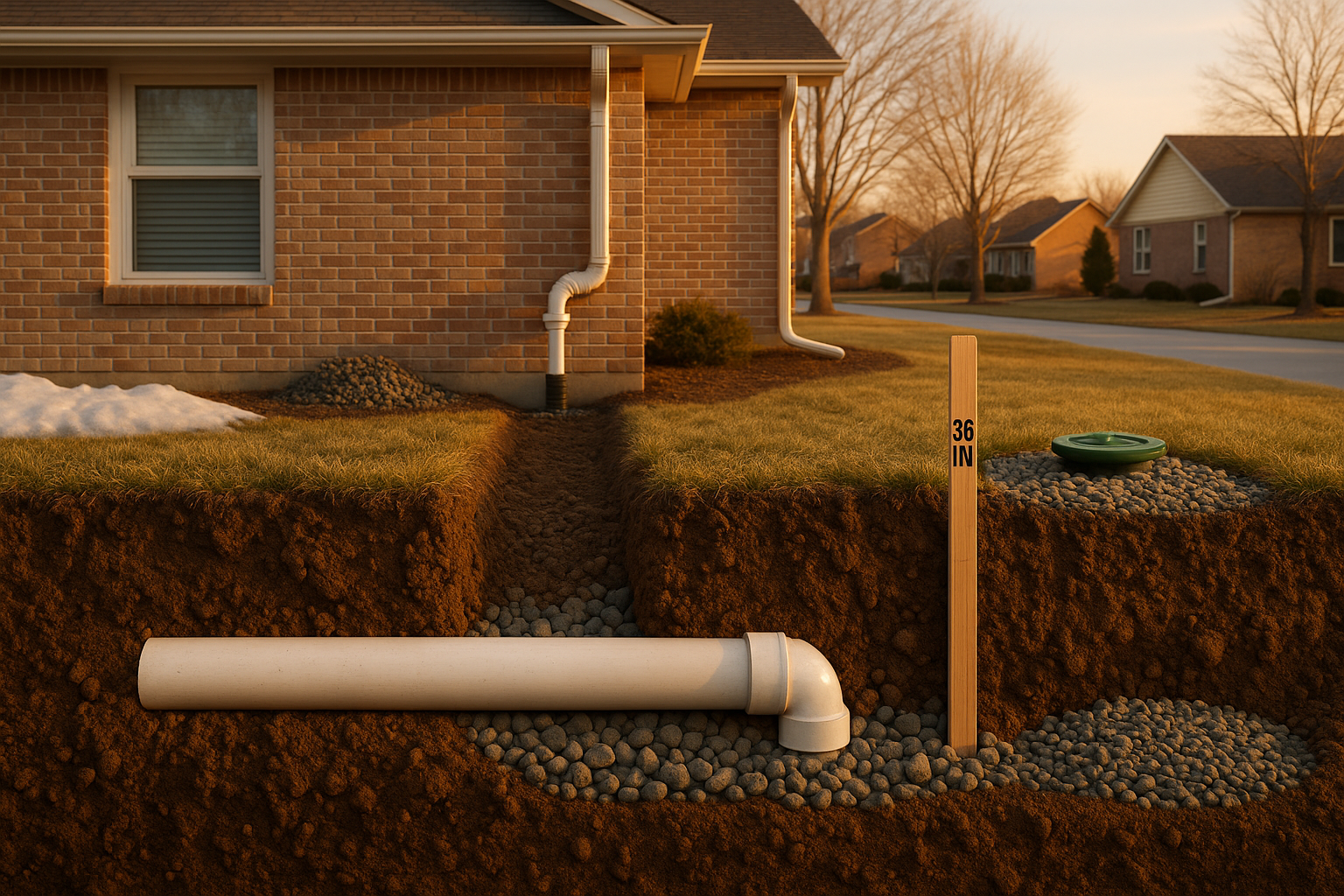
Also, winters. That discharge line needs to either be buried below frost depth (about 30-36 inches here in Hamilton County) or have a freeze relief fitting. Otherwise, come January, it can ice up solid. I've seen lines crack because water backed up and froze. And you definitely don't want sump water anywhere near septic systems if your home has one—messes up the tank biology and can cause backups. Local rules are clear: no sump discharge into the sanitary sewer. We'll route it to daylight or a pop-up emitter in a spot that meets HOA guidelines (if you've got one).
The Battery Backup Question
A lot of people ask: "Do I really need a battery backup? You just trying to make an extra sale?"
I get it. But think about this: Your sump pump runs the most during heavy storms. What else happens during heavy storms? Power goes out. Every spring and summer, Indiana gets thunderstorm fronts that knock out electricity for hours. Without power, your pump is just a paperweight. A battery backup can add $400 to $800 to your total, but it'll save your basement when the grid fails. We install a sealed AGM battery that sits on a shelf, a smart charger, and it self-tests. Once you see it kick on during an outage, you'll sleep better.
There's also water-powered backups, but they use municipal water pressure and some towns have restrictions. Battery is simpler for most Fishers homes.
Keeping It Quiet and Low-Maintenance
Nobody wants to hear a sump pump rumbling through the floor. The good news: modern submersible pumps from good brands (Zoeller, Wayne, Little Giant) are pretty quiet. A big noise culprit is old-style check valves that slam shut. We use spring-loaded, quiet-check valves with rubber connectors to isolate vibration. That little extra cost—maybe $30—makes a huge difference.
And maintenance? Once a year, pour some water in the pit to make sure the float operates. Check the cord and plug. If you're on well water or your home has hard water, mineral scale can build up on check valves and impellers over time. That's another reason a water softener can help your whole plumbing system, not just your fixtures. (We happen to service water softeners too, so ask if you're curious.)
If you hear odd noises or the pump runs constantly, get it checked. A service call runs about $100-$150, but catching a problem early is cheaper than a flooded basement.
Other Pieces That Connect
Your sump pump is just one part of keeping water out. If you've got a soggy yard or water pooling near the foundation, we might suggest better exterior drainage—things like French drains, grading, or extending downspouts. Our drainage service team can look at the whole picture. We're not just here to drop a pump in and leave; we want your basement dry forever.
Also, for homes on a well (some of the more rural edges around Fishers, Zionsville, Noblesville), heavy rain can temporarily change your well water quality or cause surface water intrusion. If you have both a well and a sump, we can help you understand how they interact. We've drilled wells and know the water table behavior around here.
Getting a Plain-Spoken Quote
At WaterPros, we don't give prices over the phone blind. Every house is different. We'll come out, walk your basement and yard, and give you a written quote with options—good, better, best. No pressure, no upselling, just honest advice. We'll note what needs to be done now and what can wait. And we'll handle any Hamilton County permits if needed.
If you're ready to get a number you can trust, head over to our site and grab a free assessment or jump straight to the quote request form. We cover the whole north side: Fishers, Carmel, Westfield, Noblesville, Zionsville, and around the metro.
Oh, and if you're worried about winter weather doing other damage, our post on what to do when pipes freeze might save you some headache. And for a broader look at the fight against hard water, check out our water softener guide.
Right now, before the spring storms kick up, is the perfect time to get your sump sorted. Let's make sure your basement stays dry this year.
Need a plumber you can call back?
Licensed Indiana plumbers, flat-rate pricing, and a written warranty on every job.