Last January, my friend Sarah woke up in her Meridian-Kessler bungalow and the kitchen faucet just hissed air. Coffee was out. She figured "it'll thaw later" and went to work. Bad move. By noon, a pipe in the crawl space had split, and her husband came home to a waterfall in the basement. That's the thing about frozen pipes in Indianapolis—waiting almost always makes it worse. If you're reading this with cold fingers and an empty coffee pot, I'll walk you through what to do right now, and how to stop it from happening next time.
First, Check if It's Really Frozen
Not every stuck faucet means a freeze. Turn on a few fixtures. If the bathroom sink runs but the kitchen trickles, and your kitchen sink's on an outside wall (super common in Indy), that's your clue. Other giveaway spots: hose bibs, garage slop sinks, laundry lines in unheated mudrooms, or any pipe in a crawl space. If nothing comes out anywhere, you might have a frozen service line or meter—more on that in a bit.
Shut Off the Water If You See Trouble
If you spot any sign of a split—water stains on the ceiling, that dull roar of rushing water inside a wall, or a soggy cabinet base—shut off the main valve immediately. In most Indianapolis homes, it's in the basement or crawl space, near where the line comes in. Look for a brass gate valve or lever ball valve. If you can't find yours, now's the time to learn—don't wait until you're ankle-deep in worry. Open the lowest faucet (like a basement sink or outdoor spigot) and the highest faucet to drain the system fast. That relieves pressure and can save you from much worse.
Even if you don't see damage, open the affected faucet just a crack so it drips while you thaw. That gives expanding ice somewhere to go and helps melt things quicker.
How to Thaw Pipes Safely
Don't reach for a torch. I've heard of a guy in Broad Ripple who tried it and set his rim joist on fire. Use a hair dryer on low heat, moving it back and forth along the frozen section. Warm towels wrapped around the pipe can work too. If the frozen spot is behind a wall or somewhere you can't reach, crank the thermostat a few degrees and open cabinet doors under sinks to let warm air circulate. A space heater pointed at an open bay (with clearance from anything flammable and plugged into a GFCI outlet) can help in an unfinished basement or crawl space. Always start thawing nearest the faucet and work toward the coldest part—that keeps steam pressure from building up.
Problem Spots in Indy Homes
Every winter, we see the same freeze patterns across the metro. Exterior-wall kitchen sinks in neighborhoods like Irvington and Fountain Square always top the list. Garages are another: a lot of folks in Fishers and Carmel have laundry lines out there, and one forgotten door left open during a cold snap can freeze those pipes solid. Crawl spaces in older areas like Greenwood and Avon are notorious—uninsulated PEX or copper draped near drafty vents will freeze fast when temps drop below zero. And those old-style hose bibs on the side of the house? They're a liability. If you still have a garden hose attached, it's almost guaranteed to crack the valve body. Yank the hose, install an insulated cover, and if you can, upgrade to a frost-proof sillcock. It's a small job that pays for itself the first hard freeze.
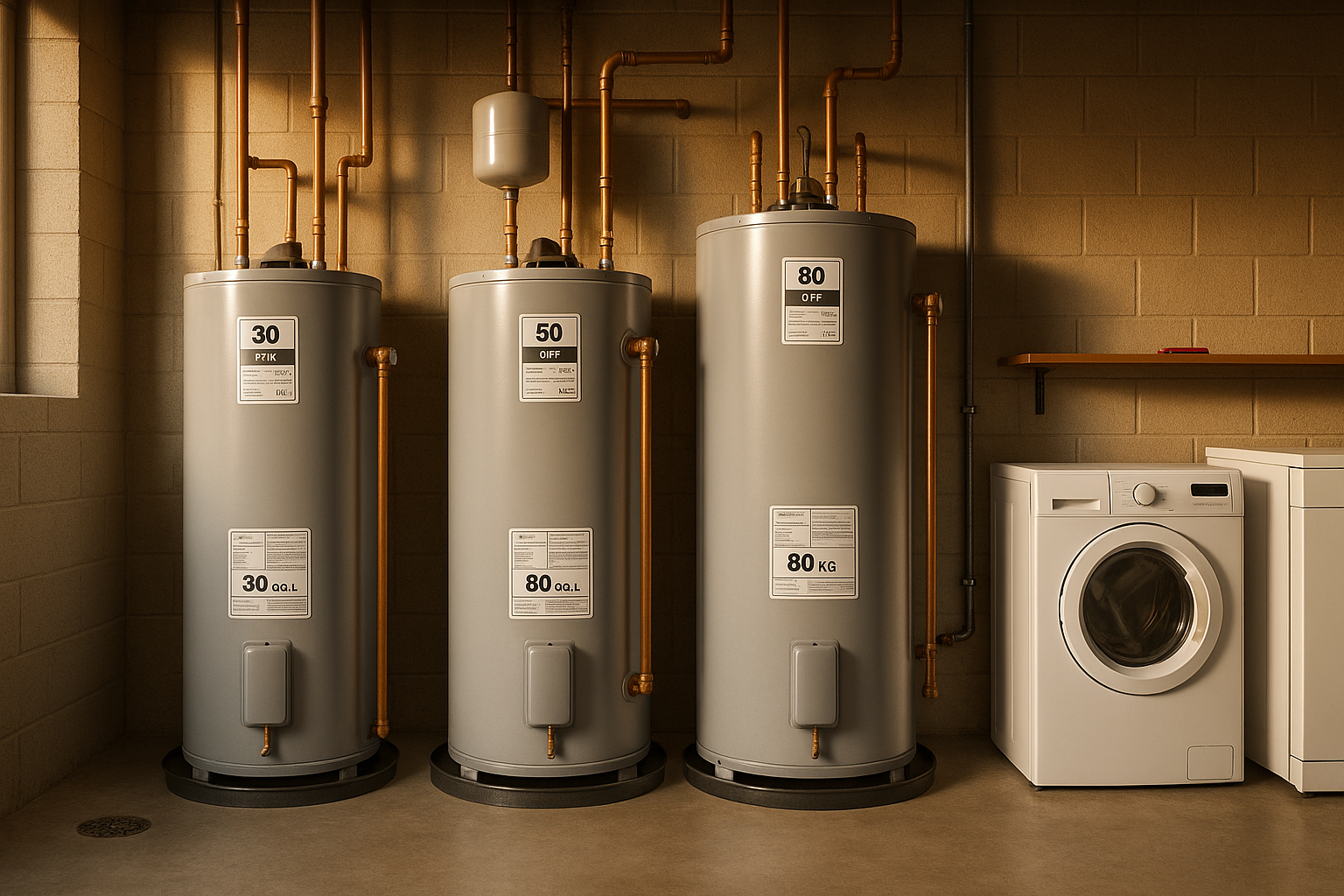
If your home has a water softener, think about where it sits. Many are in the garage or an unheated closet. A frozen brine tank can crack, and the control valve can seize. Insulate around it, and if a deep freeze is coming, a small ceramic heater nearby can save you a headache. On well systems—common around Zionsville and rural Hamilton County—the pressure tank and switch are usually in a crawl space or small shed. A frozen pressure switch means no water at all. Wrap those vulnerable parts before winter and make sure your wellhead is sealed and covered.
Septic systems can freeze too, especially if you haven't used much water over a cold spell. That's more common in the outer townships. If your drains are slow and your yard smells a little off, it might be a frozen leach field. Don't pour hot water down the drain—it can make it worse. Call a septic service to assess.
And don't forget about drainage. Clogged gutters and poor grading around your foundation let water pool, freeze, and heave—that can cock a hose bib just enough to let cold air in. Simple gutter cleaning and downspout extensions make a real difference.
When It's More Than Just Pipes
If you've got zero water everywhere and the main valve is open, the trouble might be at the street. Call Citizens Energy Group to check the meter—they handle that side of things. WaterPros can come out and test everything on your side, from the shutoff valve in. Our crew runs a leak detection inspection after a thaw to make sure nothing split, because sometimes a crack is tiny and only shows up under pressure later. If you hear water running when all the fixtures are off, check your meter: if it's spinning, you've got a leak somewhere.
Prevent the Next Freeze
Once you're thawed out, let's talk about not doing this again. For exposed pipes in basements or crawl spaces, foam sleeves are cheap and effective—get the thick ones, at least R-3. In really cold spots, like a crawl space rim joist, self-regulating heat cable is your best friend. It only warms up when needed, and it won't overheat. Just make sure it's plugged into a GFCI outlet. Seal up any drafts where pipes come through walls; a can of spray foam works wonders. Keep your thermostat at 55°F or higher if you travel during winter—money saved on a heating bill isn't worth a burst pipe repair. And on those single-digit nights, let the vulnerable faucets drip a steady stream about as thick as pencil lead. It's not a ton of water, and it'll keep the water moving enough to resist freezing.
Get Help Fast from a Local Pro
I've seen too many frantic calls at 6 AM where someone tried to wait it out. By the time we get there, a $300 thaw becomes a $3,000 repair. WaterPros covers the whole metro—from Carmel and Fishers down to Greenwood, Brownsburg, and Avon. We do same-day frozen pipe assessments. No scare tactics, no surprise charges—just a straight look at what's going on and a clear plan to fix it. If you're worried about a freeze or already have no water, hit our quote form and we'll get out there. In the meantime, stay warm, and maybe make that coffee at a neighbor's house.
Need a plumber you can call back?
Licensed Indiana plumbers, flat-rate pricing, and a written warranty on every job.