My neighbor Sarah, over in Avon, called me last Tuesday practically yelling about her shower. ‘It’s like trying to rinse off under a leaky watering can!’ She’d already bought a new showerhead—didn’t help. So I went over, and what we found was a whole-house water filter cartridge so gunked up it could’ve been a science experiment. Swapped in a new one, and bam, full blast. She felt a little silly, but honestly? It’s one of the most common things we see around here. Low water pressure has a way of sneaking up on you, and it’s not always obvious where the culprit is.
If you’re dealing with weak flow in your Avon home, you’re not alone. The good news is a lot of causes are simple to fix yourself. Let’s walk through how to figure out what’s going on, what you can do about it, and when it's time to bring in someone like us at WaterPros.
First, Figure Out Where the Problem Lives
Before you start tearing things apart, do a quick isolation test. Is the low pressure just at one sink, or the whole house? If it’s only one fixture, you’re probably looking at a clogged aerator or showerhead. Easy fix. If it’s the whole house, you’ve got a bigger mystery.
Try this: turn on the cold water in the kitchen, then the hot. Is the pressure different? If only the hot side is weak, the issue lives in your water heater. If both are bad, it’s likely somewhere in your main supply—maybe a filter, a valve, or the city line.
And don’t forget to check your main shutoff valve. It’s usually near the water meter, in the basement, crawl space, or utility closet. Sometimes it gets bumped or someone turns it half-closed by accident. A partially closed valve can choke off your whole house without you even realizing it.
The Usual Suspects in Avon
Avon’s hard water is famous—well, infamous—for leaving mineral scale everywhere. Those tiny white chunks build up inside aerators, showerheads, and even in your pipes over time. If you’ve got a water softener, it can act up too. A softener that’s not regenerating right, or is undersized, can restrict flow. (And hey, we’re a water softening equipment supplier too, so we’ve seen plenty of setups that just need a good service or resize.) If you’re not sure, bypass the softener and see if pressure bounces back. That’ll tell you a lot.
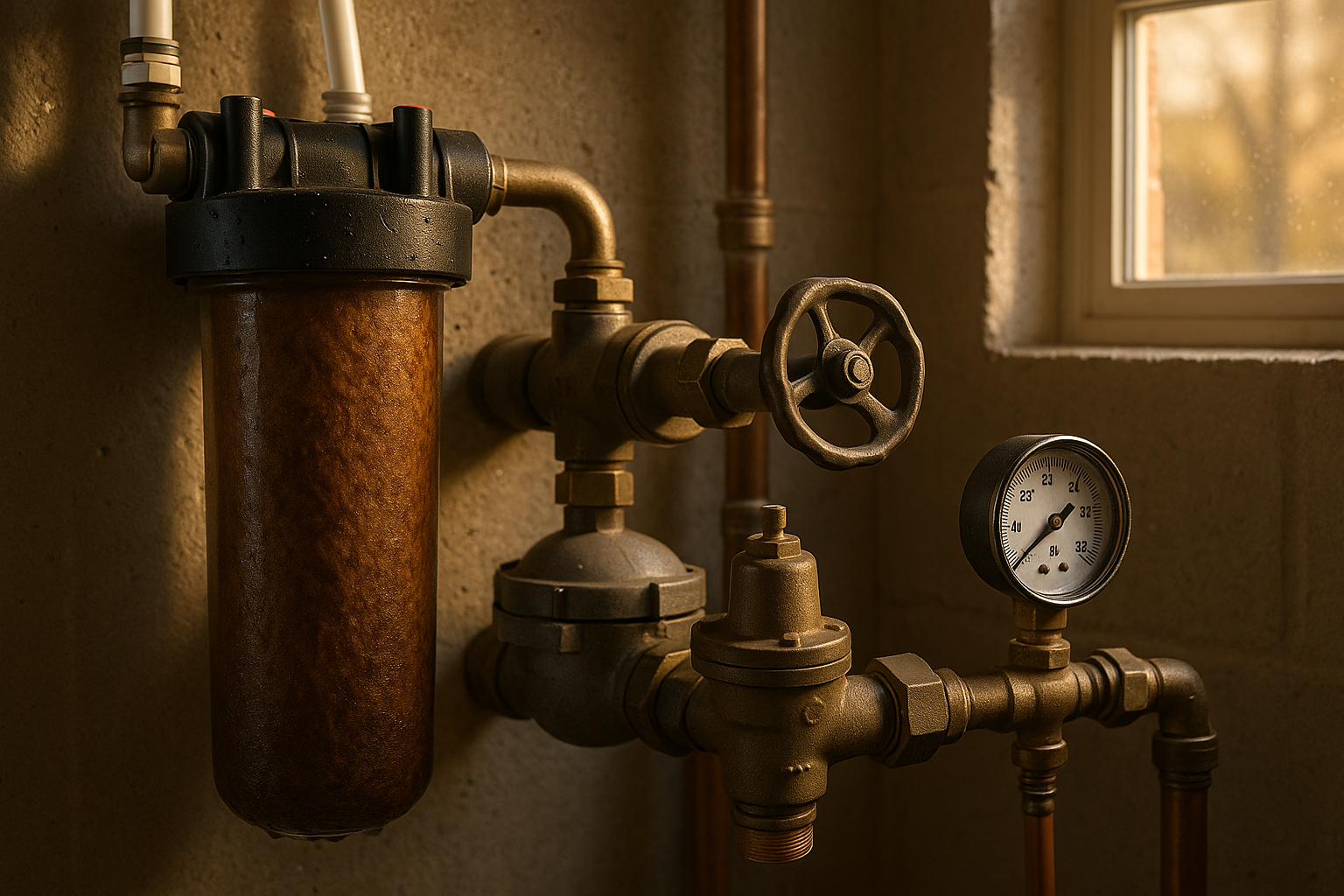
Whole-house filters are another common choke point. Those cartridges need changing every few months, especially with all the sediment our Indiana water brings in. A dirty filter can drop your pressure fast. Same goes for pressure reducing valves (PRVs). Most homes from the last 20 years have one near the main line—it keeps your pressure from getting too high (over 80 psi can wreck appliances). But PRVs fail. They get sticky, start whistling, or just lock up. When that happens, you might see fluctuating pressure or a sudden drop.
Now, if your home’s got galvanized steel pipes from back in the day, internal rust and mineral buildup can shrink the inside diameter to a fraction of what it used to be. That’s a repipe situation. We’ve done many around Avon, and while it’s a bigger job, new PEX or copper lines make a world of difference. (Check out our post on repiping costs in Indianapolis if you want a ballpark.)
Hidden leaks are sneaky. A slab leak or a pinhole in a wall can bleed off enough water to lower your whole system’s pressure. You might not even see water damage—sometimes it just goes into the ground. You can do a quick meter check: make sure everything’s off, then watch the leak indicator on your meter. If it’s spinning, you’ve got a leak. (We wrote a whole thing on leak detection methods here if you want to dig deeper.)
For folks on well water—plenty of homes around Avon’s outskirts—pressure tanks and switches tell their own story. If your pump is short-cycling or the tank’s bladder is shot, you’ll feel like you’re showering in spurts. WaterPros is also a well drilling contractor, so we can check your whole system from the ground down.
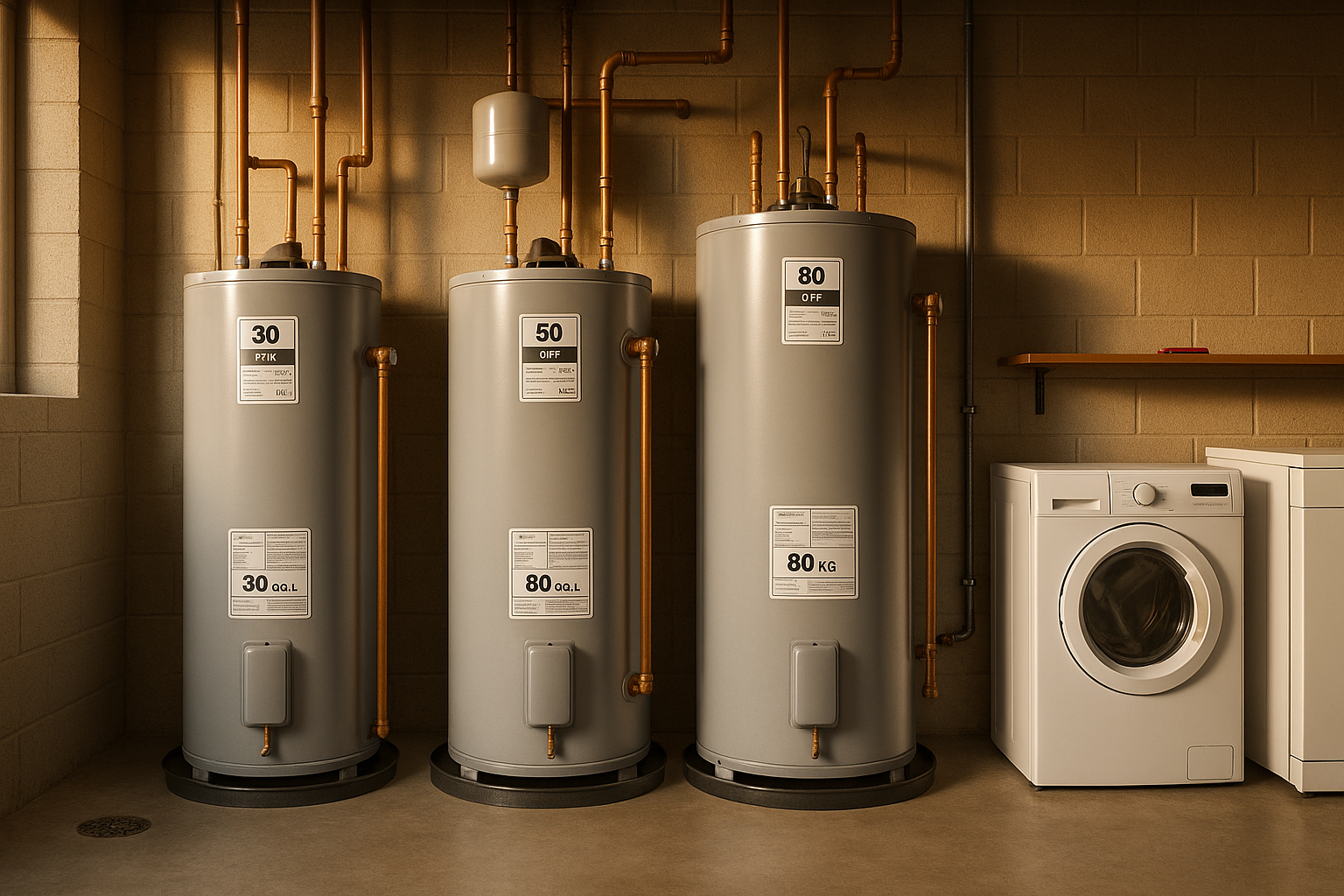
And don’t forget about the hot water side. If only your hot water is weak, sediment in the water heater or a partially closed shutoff valve at the heater can do it. Even tankless units need decent flow to fire up—if yours keeps turning off in the shower, low incoming pressure could be why. (Our tankless water heater install guide has more on that.)
Sometimes it’s not even your house. Citizens Energy Group flushes hydrants seasonally, and that can stir up sediment that clogs screens or temporarily lowers pressure. Usually clears up in a few hours.
And a note on drainage: occasionally, what feels like low pressure is actually slow drainage. If your sink or tub takes forever to empty, water coming out seems weak because it’s hitting a pool of backed-up water. That’s a drainage service issue, not supply. We handle those too, so we can look at the whole picture.
Easy DIY Fixes (Don’t Worry, You Won’t Break Anything)
- Clean aerators: unscrew the little tip on your faucet, soak in vinegar overnight, brush off scale. Showerheads too—might need a good soak.
- Check and fully open that main shutoff. It should be aligned with the pipe.
- If you have a whole-house filter, replace the cartridge. Keep spares on hand—they’re cheap and easy.
- Bypass your water softener using the valves behind it. If pressure returns, you know the softener needs attention.
- Test your pressure with a gauge (screw it onto a hose spigot). Normal range is 50-70 psi. If it’s way low or high, the PRV might need adjusting.
- Check for leaks by watching the meter. If you see movement with all water off, call a pro.
When to Call a Plumber (And Why You Won’t Get an Upsell)
If you’ve tried the simple stuff and still have whole-house low pressure, it’s time to bring in a pro. PRV replacement, finding hidden leaks, assessing old pipes—these need experience and tools. We get it: nobody wants a plumber who shows up and immediately starts talking about repiping the whole house when maybe all you need is a new PRV. At WaterPros, we diagnose first, and we give you a clear list of options, from the quick fix to the long-term investment. No pressure, no scare tactics.
Permits? In Avon and Hendricks County, certain things like PRV swaps or main line work might need one. We handle that so you don’t have to worry. And we won’t leave you without water any longer than necessary. Typically we can have things fixed same-day.
If you’re considering a booster pump—it’s an option when your incoming pressure is just chronically low, but first we want to rule out restrictions inside your home. Booster pumps can mask a leak or bad PRV, so we’ll always check the basics first.
Ready to get that pressure back? Request a pressure diagnostic with WaterPros. We’ll come out, test everything, and give you a straight-up assessment. If we can fix it with a $5 cartridge, great. If you need more, we’ll explain exactly what and why, with a written quote before any work starts.
Keep the Pressure Good for the Long Haul
A little regular maintenance goes a long way. Change your whole-house filter every 3-6 months. Get your softener serviced annually—salty, hard water means it has to work harder. Clean aerators every few months. Every year or so, check your PRV with a gauge. It only takes five minutes. And exercise those shutoff valves once in a while so they don’t seize up.
And if you notice a change, don’t ignore it. Low pressure is your home’s way of whispering, “Hey, something’s off.” The sooner you catch it, the easier (and cheaper) the fix.
Need a plumber you can call back?
Licensed Indiana plumbers, flat-rate pricing, and a written warranty on every job.