I remember my neighbor pacing her kitchen last March, waving a water bill that had tripled. She was sure Citizens screwed up the reading—until we found a basement toilet nobody used. The flapper had a tiny tear, silently running water 24/7. That one toilet added over $200 to her bill in two months. If your water bill spiked out of nowhere, chances are you’ve got a hidden leak. Let’s sort it out together.
What Makes a Water Bill Spike?
Almost always, a high water bill leak comes from water moving when nobody’s using it. Toilets are the biggest stealth thieves—a running toilet can dump hundreds of gallons a day. But it could also be a pinhole in a copper line, an irrigation valve stuck open, or a slab leak that’s been soaking under your floor for weeks. The common thread? Continuous flow. Even a slow drip adds up when it never stops.
A lot of folks assume it must be a billing error. I get it—your habits didn’t change, so the meter must be wrong. But in most cases, the meter doesn’t lie. The water went somewhere, and your task is figuring out where.
Quick Checks You Can Do Right Now
Before you call a plumber, grab a flashlight and try these four tests. They’ll tell you if there’s a leak and often narrow down the source.
1. Read Your Water Meter
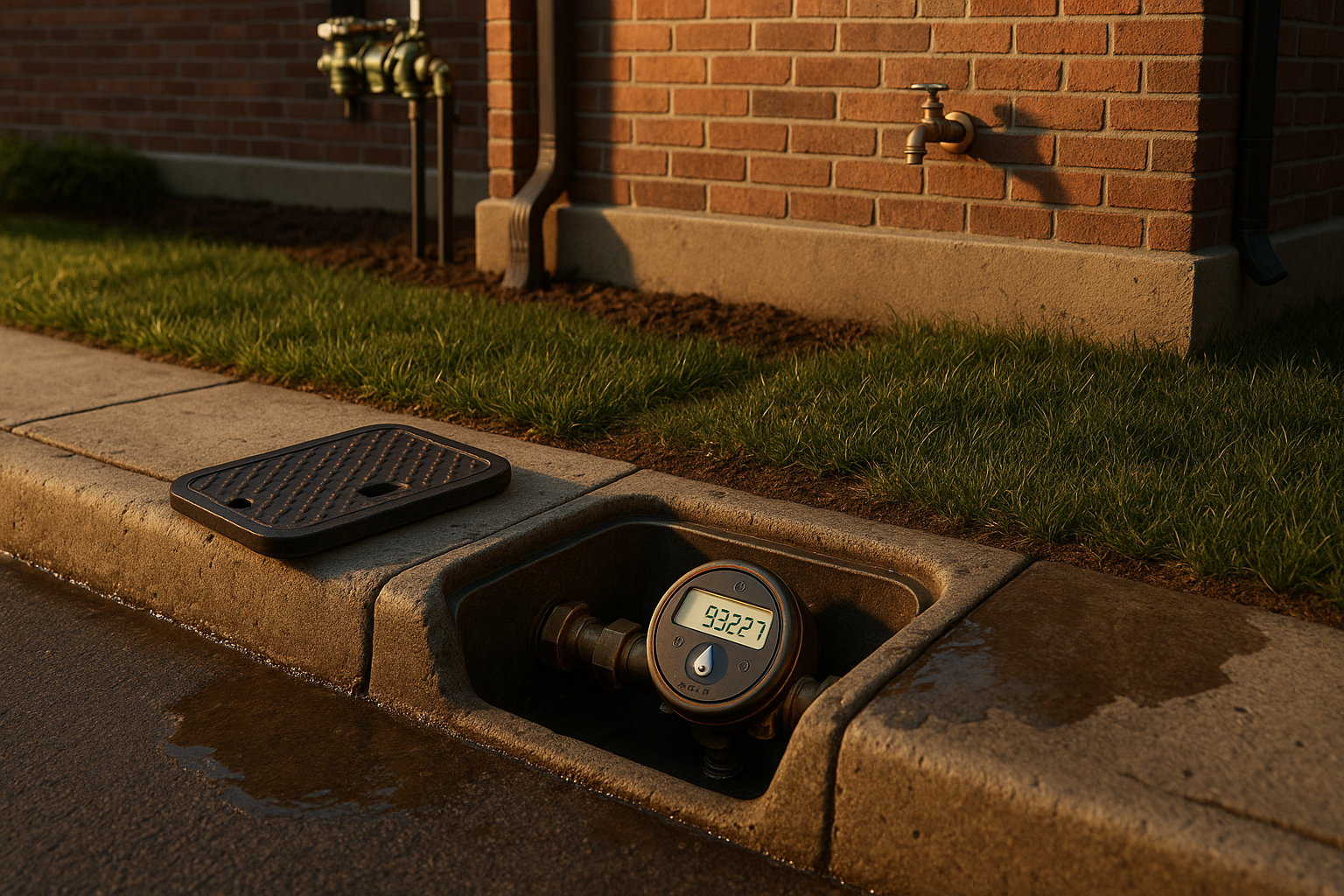
Indianapolis homes usually have a meter pit out by the curb (look for a rectangular lid). Some older houses keep the meter in the basement. Once you find it, lift the cover and wipe the lens clean. If it’s digital, tap it to wake it up and look for a little faucet icon or a spinning triangle—that’s the leak indicator. If it’s moving when nothing’s running indoors, you’ve got a leak.
For an old-school analog meter, jot down the exact reading and don’t use any water for 30–60 minutes. If the numbers change, something’s flowing. Citizens Energy Group has a decent guide on this—search “how to read a water meter” on their site for pictures.
2. Do a Toilet Dye Test
Drop 10–15 drops of food coloring into the tank (not the bowl). Wait 15 minutes without flushing. If color seeps into the bowl, the flapper’s shot or the fill valve isn’t sealing. That’s your leak. “My toilet runs sometimes” is still a leak. The flapper chain might hang up, or the seal wears unevenly. For less than $20, you can replace the guts.
3. Shut Off Irrigation and Outdoor Spigots
Backflow preventers and irrigation zones are notorious for silent leakage, especially after a hard freeze. Turn off the irrigation controller and shut the isolation valve inside the house. Recheck your meter. If the leak stopped, you know it’s in the yard plumbing. Check hose bibs too—a slow drip at the spigot can waste thousands of gallons over a month.
4. Check Water Heater and Basement Lines
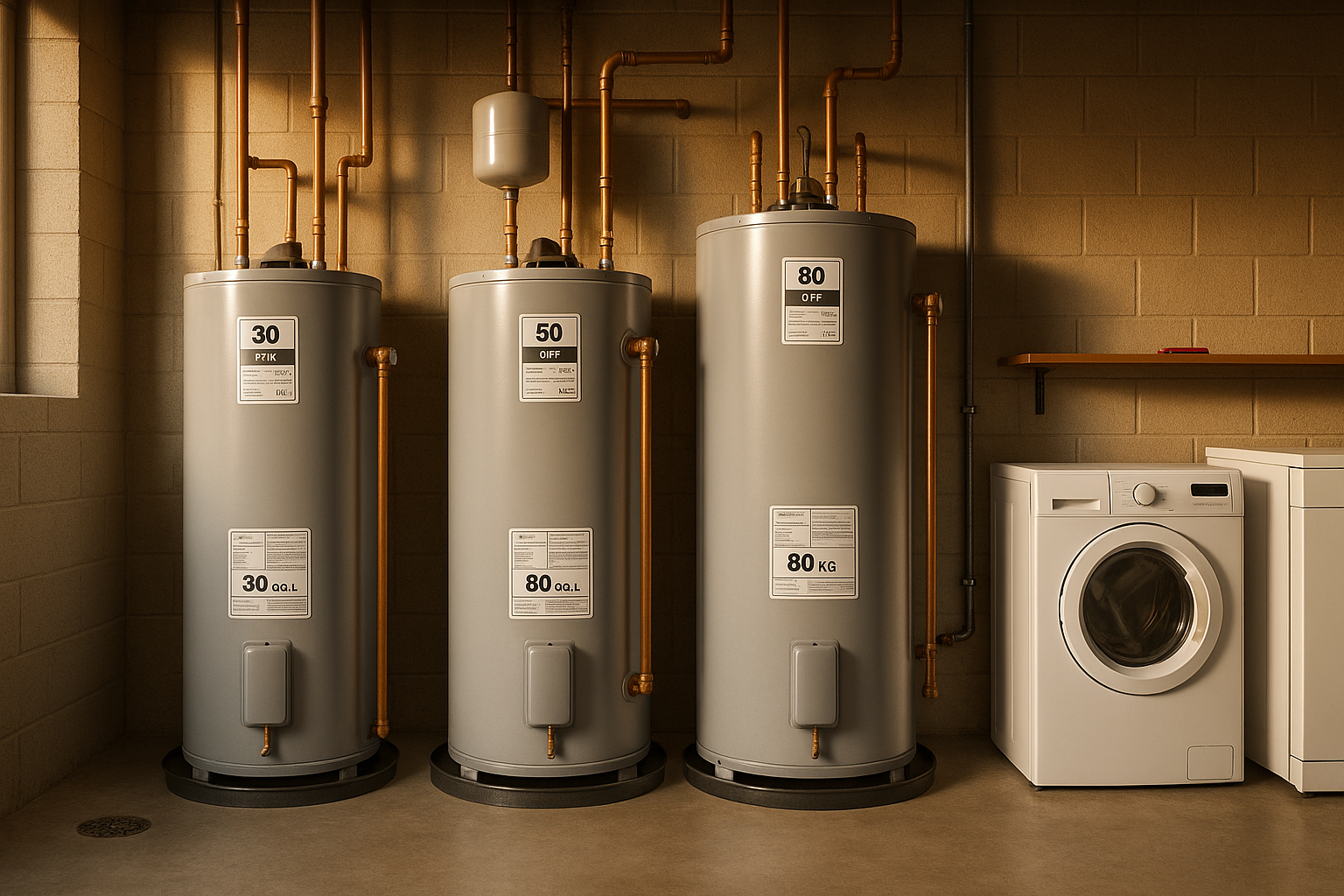
Do you have a floor drain near your water heater? A leak from the T&P relief valve or a supply line might drip straight into the drain, never showing a puddle. Shine a light around the tank and listen for hissing. Same goes for basement ceilings and crawlspaces: follow the main water line from the meter and look for damp spots or greenish stains on copper.
Indy-Specific Reasons Your Bill Might Be High
Around here, clay soil and freeze–thaw cycles gang up on buried pipes. The ground shifts just enough to stress old galvanized or copper lines, especially in neighborhoods like Broad Ripple, Irvington, or Meridian-Kessler where piping might be 60+ years old. A pinhole leak may spray into the dirt for months before you see a wet spot in the yard.
Hard water is another local factor. Mineral scale builds up on toilet flappers and fill valves, preventing a tight seal. That little trickle might not look like much, but it never stops. A water softener can cut down on scale, though even with soft water, flappers eventually wear out. (We handle water softening equipment, too, if yours is acting up or you’re looking to add one.)
And let’s not forget irrigation systems. Even if you winterized properly, a spring startup can reveal cracked valves or a backflow preventer that didn’t survive January. A single leaking zone wastes water between scheduled cycles.
What If It’s More Than a Toilet?
When your meter spins but you’ve checked the obvious spots, you might be dealing with a slab leak or an underground service leak. Signs can be subtle: a warm floor tile, a faint hissing behind a wall, damp baseboards, or dirt that stays muddy near the foundation with no rain. One homeowner I talked to kept smelling musty carpet in a corner of the Livingroom—turned out the copper line under the slab had a pinhole that had been humidifying the carpet pad for months.
These leaks won’t fix themselves, and waiting just drives up your bill while risking foundation issues. Professional leak detection can pinpoint them without guesswork. We use acoustic listening devices and electronic tracers that hear the leak and mark the spot. No, you don’t have to tear out drywall or jackhammer the whole floor. A single targeted opening is usually enough.
The Hidden Costs—Septic, Well, and Drainage
A high water bill leak doesn’t just hit your wallet at the end of the month. It can strain other parts of your home’s water system.
If you’re on a septic system, all that extra water floods into the tank. The solids don’t settle like they should, and the drainfield gets saturated. You might notice a soft, soggy spot in the yard or—worse—sewage backing up into the house. After the leak is fixed, it’s smart to let us check your septic to make sure it’s draining and processing waste normally. Repairing a stressed septic costs way less than replacing a flooded drainfield.
For homes with a private well, the problem shows up differently. You won’t get a spiked citywater bill, but your electric bill may climb because the pump runs constantly to keep pressure up. If you hear the pump short-cycling or running when no water is on, a leak is likely. Our well team can test the system from the pressure tank to the buried line.
And then there’s drainage. A slow leak under a slab or in a crawlspace can cause the kind of dampness that invites mold and bows hardwood floors. Even after we stop the leak, you might need to beef up drainage—like adding a sump pump or redirecting downspouts—to keep that area dry. We handle that, too.
Can We Find the Leak Without Tearing Up My House?
I hear this almost daily: “I don’t want holes cut in my walls.” Good news—modern leak detection minimizes that. Our techs use acoustic ground mics that amplify the sound of water escaping a pipe. They can hear the difference between a toilet running and a slab leak, and walk the sound right to the source. For deeper lines, we might use an in-line camera or tracer gas. The goal is one neat access point, not a demolition party.
A lot of folks think leak detection is expensive and open-ended, but a clear, upfront scope makes all the difference. We’ll tell you how long it’ll take, what we need to access, and give you a repair game plan before any cutting starts. No surprises—just a fixed leak and proof for your insurance or the utility.
After the Fix—Getting That Bill Back Down
Once the leak is repaired, take a fresh meter reading directly afterward to make sure the spinner has stopped. Then call Citizens Energy Group and ask about a leak adjustment. They’ll likely want a copy of your plumber’s invoice and maybe before-and-after meter photos. Policies change, but many Indy homeowners have gotten partial credits after proving a verified leak.
Keep an eye on the next couple of bills to confirm usage dropped. And if you haven’t already, poke around for small leaks you might have missed—tired flappers in bathrooms you rarely use, a humidifier tap that’s leaking, or an outdoor spigot that didn’t get fully shut off last fall.
If you’ve done the quick checks and your water bill still has you shaken, don’t wait. Every 24 hours that meter keeps spinning adds up. Fill out ourquick quote form and we’ll schedule a leak detection visit. We’ll find it, fix it, and help you keep the bill where it belongs.
Need a plumber you can call back?
Licensed Indiana plumbers, flat-rate pricing, and a written warranty on every job.