We got a call last spring from a young couple out near Morse Reservoir. They’d bought their house the previous fall, sunny and dry, and the seller even had the septic tank pumped right before closing to be ‘nice.’ By May, after a week of steady rain, they had a green, soggy stripe running through the backyard and a smell that made them close the windows. The tank wasn’t the problem. The drainfield had been failing for years, but it took a wet season to show up. If they’d had a real septic system inspection in Noblesville Indiana before signing, they could have negotiated or walked. That story’s not rare around here.
Here’s the thing: pumping is not inspecting. And in this part of Hamilton County, with our clay-heavy soils and a water table that loves to flirt with the surface near the White River, a hidden septic problem is almost a tradition for older homes.
What a Septic Inspection Really Checks
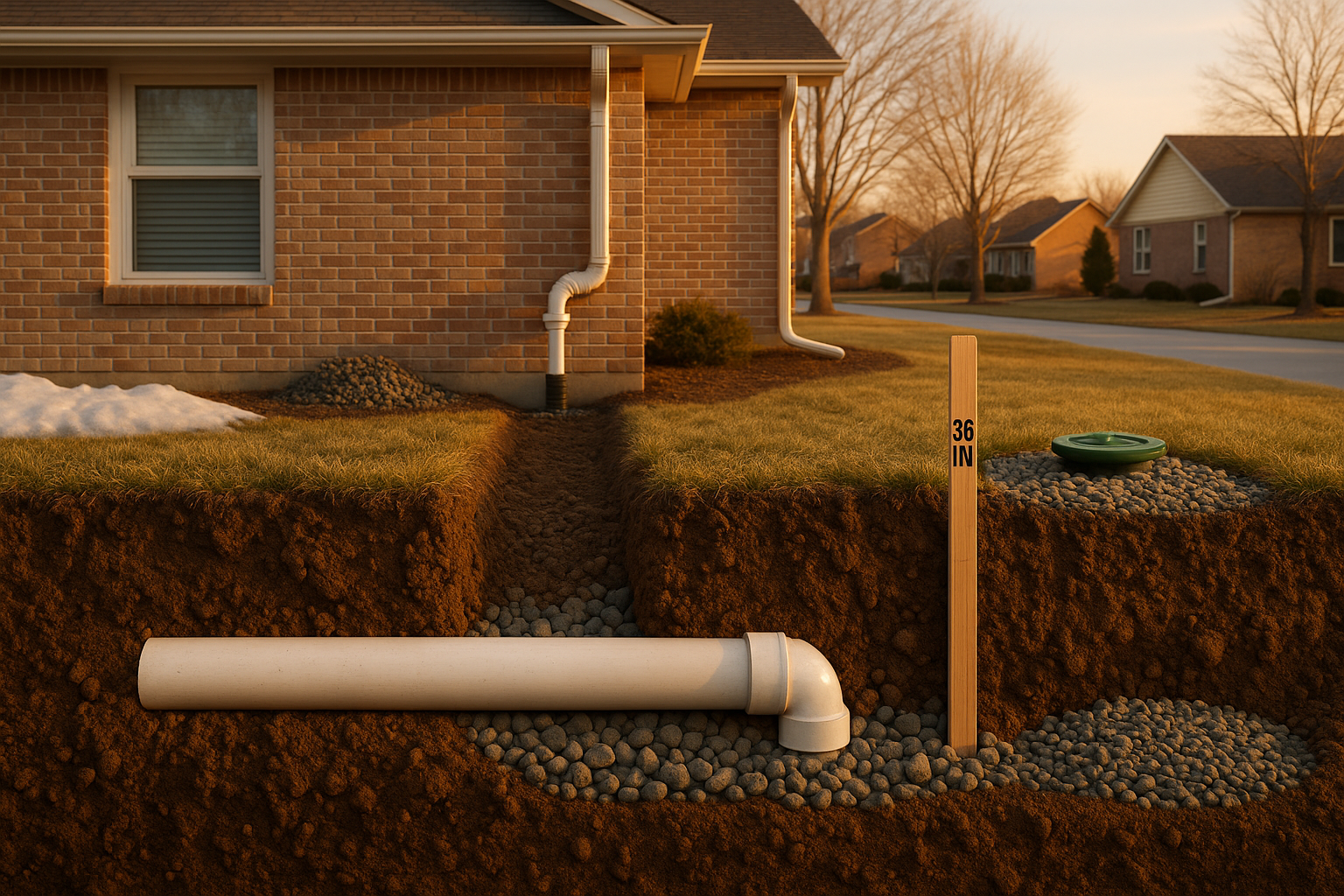
When we come out, we do more than lift a lid and say ‘looks good.’ We locate the tank and drainfield (even if you have no records—which is common for homes built in the 70s, 80s, 90s). We check lids and risers—if you don’t have risers, you’ll want them eventually. We measure sludge and scum levels, inspect baffles and tees, pull and clean the effluent filter if there is one. Then we move to the distribution box and the drainfield lines. We’ll probe to see if the soil is absorbing water or staying wet, maybe drop in a dye or run a flow test. If something looks off, we might scope the lines with a camera. And we verify the setbacks—from any wells, the house, property lines, and waterways. If you’ve got a private well, those setbacks aren’t just good practice; they’re a health rule.
A pump-out just empties the tank. It doesn’t tell you if the baffle is broken, the filter is clogged, or the drainfield is drowning. We’ve seen tanks that were pumped two months ago already backing up because the field was gone. So, no, pumping doesn’t take the place of an inspection—especially not for a real-estate deal.
Why Noblesville Soils and Seasons Can Play Tricks on Your System
We’re not on sandy Florida beach soil here. In Noblesville and the north side, a lot of the ground is glacial till and clay—it drains slowly. Add the high seasonal groundwater near Morse Reservoir or the White River, and you’ve got a recipe for hidden drainfield failures. I’ve seen systems that look bone-dry and fine in August, then in March they’re a sponge. A spring inspection can reveal problems that summer would hide. That’s something to keep in mind if you’re scheduling a real estate septic inspection in Indiana with a tight closing timeline. The Hamilton County Health Department does have permitting records for some properties, but older homes often have nothing. We can work with what’s there and figure it out.
Buyers, Sellers, and Lenders: What You Need in a Report
If you’re selling, a pre-listing inspection can head off surprises. Buyers will likely make their offer contingent on a septic inspection. Lenders and some home warranties want a recent report that says the system is functional—not just pumped. Our reports include tank location diagrams, photos of components, measured levels, drainfield notes, and clear recommendations: maintain, repair, or replacement planning. We’ll give you something you can hand to your agent or even the county if needed. And it doesn’t take forever. Most inspections run a couple of hours; you can schedule it within a week. We’ve had buyers who closed in ten days and still got it done. The key is calling early. As for septic inspection cost in Noblesville, it varies by system age, access, and what tests are needed, but we quote clearly—no hidden upsells.
What If Something’s Wrong?
If we find a problem, you’ll know exactly what it is and your options. Sometimes it’s a simple fix: a broken baffle or tee, a clogged effluent filter, or a distribution box that needs leveling. Other times, the drainfield is failing. That’s a bigger conversation about soil percolation, replacement fields, and space. We’ll walk you through it without pushing. We’ve helped folks decide to repair and stay, or use the info to negotiate a sale. Knowledge beats guessing any day.
Will You Tear Up My Yard?
No. That’s one of the top things people worry about. With modern locators and careful probing, we disturb your lawn about as much as the neighbor’s cat. We might take a few small sod plugs to verify drainfield layout, but they heal up in a week. If you already have risers, we often don’t need to dig at all. We’ve had homeowners watch us and then joke they expected a backhoe.
Water Softeners, Wells, and Drainage: They All Play Together
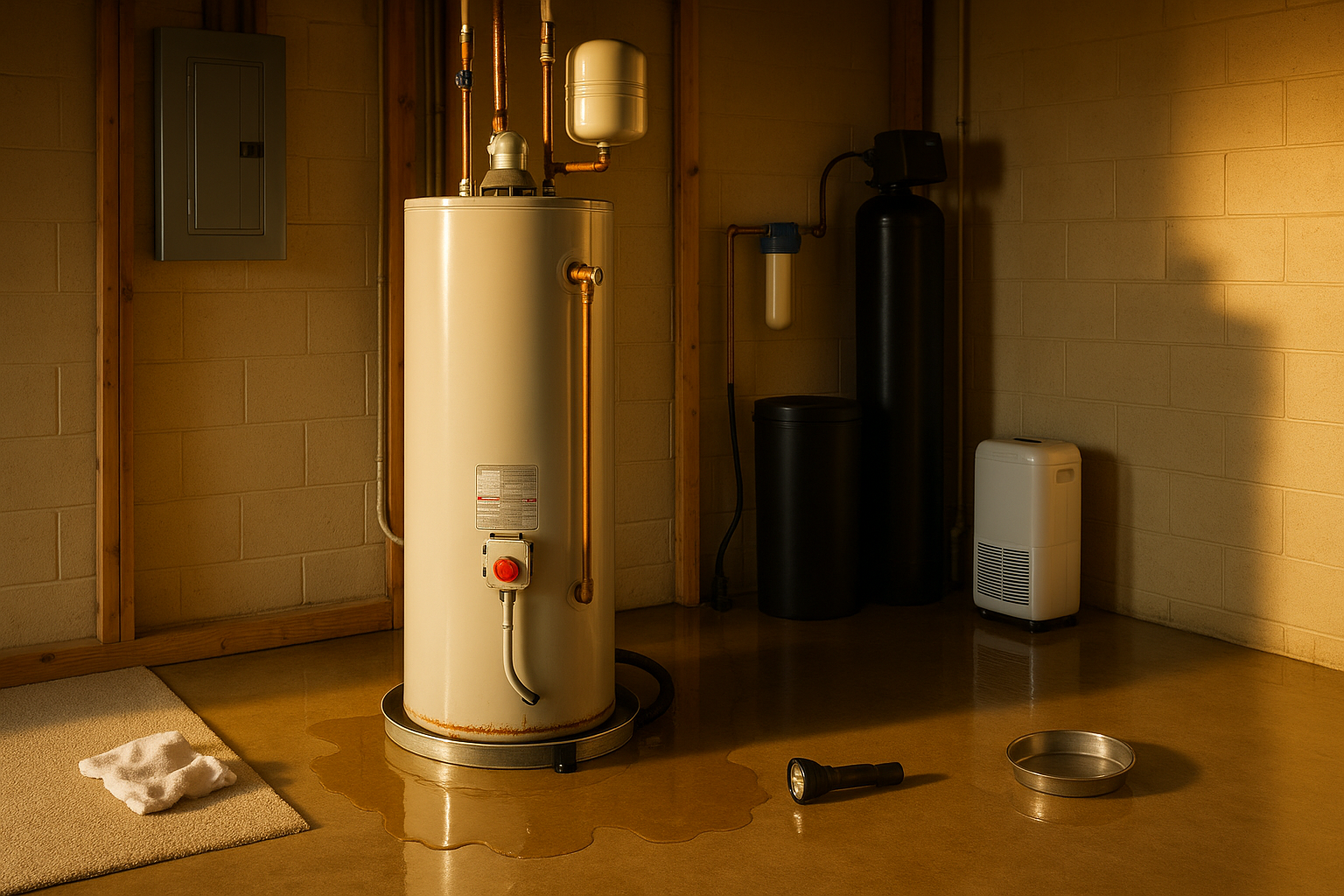
Septic systems don’t live in a bubble. If you’ve got a water softener, its brine discharge goes into the septic tank. That’s usually fine, but if the softener is running way too often or the tank isn’t sized for it, the extra salt can mess with the bacteria and hurt the drainfield. We can check that during an inspection and, since we’re also a water softening equipment supplier, adjust things if needed. (Easier than you think.) Learn more about how water softeners affect your whole home here.
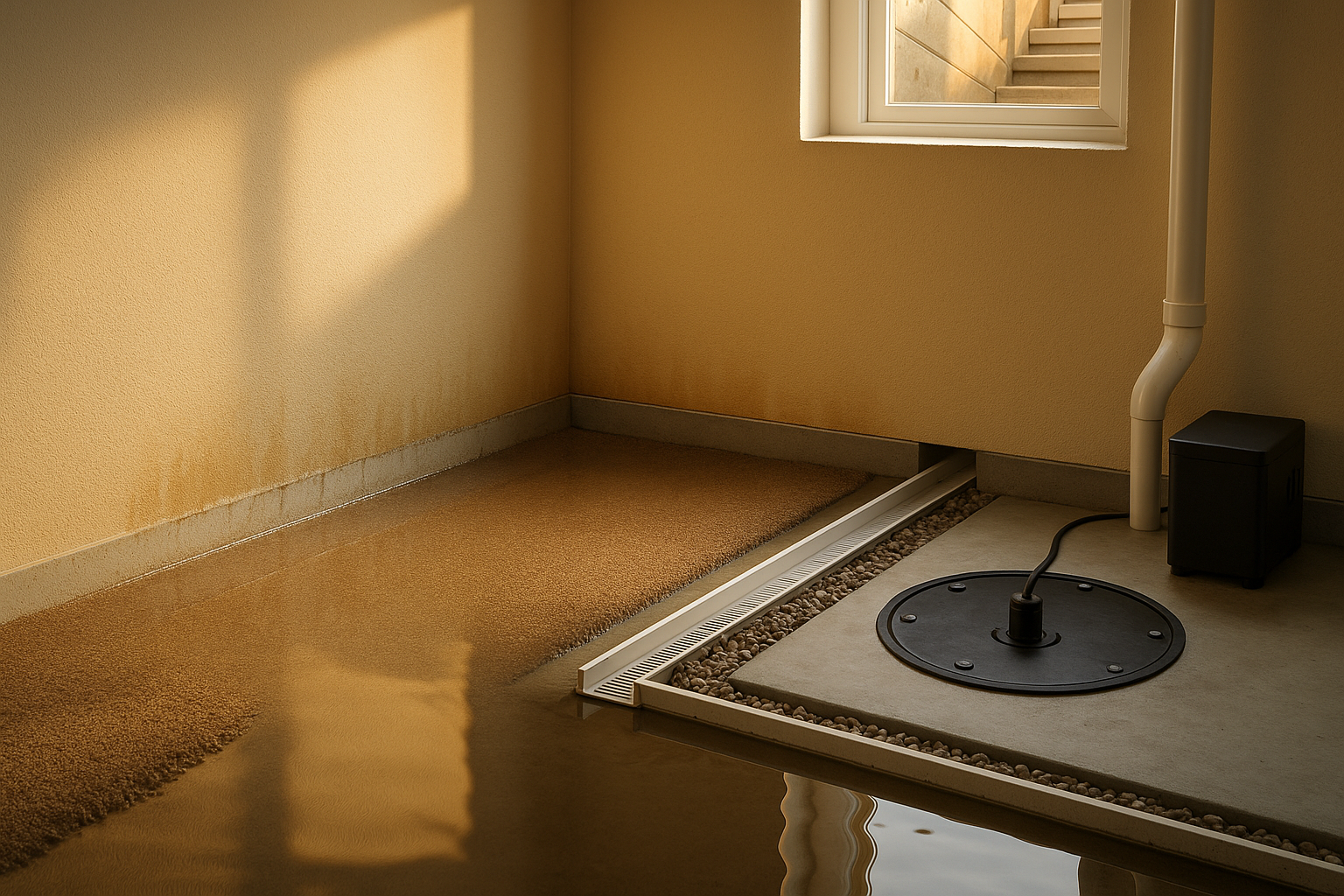
If your home has a private well, we’ll verify the required separation distances to keep drinking water safe. As a well drilling contractor, we understand how those setbacks work and can spot potential issues before they become problems. And if your yard has poor drainage—puddles that hang around, downspouts dumping next to the foundation—that extra water can saturate your drainfield and shorten its life. Our drainage services can help redirect that water and take the load off your septic system. It’s all connected.
A Simple Maintenance Plan That Saves Money
Honestly, the best thing you can do is get your system inspected once a year and pumped every two to four years, depending on your household size. Add risers and an effluent filter if you haven’t already—they make future work faster and cheaper. And don’t flush wipes or grease; they kill systems faster than you’d believe. Here in Indiana, we can inspect year-round. Frozen ground might limit some probing, but we can still check the tank and filter. Spring is ideal because you can really see how the field is handling moisture.
If you’re in Noblesville, Carmel, Fishers, or anywhere around Hamilton County and you need a straight-up septic inspection—whether for a sale or your own peace of mind—reach out. Our pricing is clear, we show you what we find, and we don’t play games. You can grab a fast quote at /#quote and we’ll get you on the schedule. We’ve also got other articles on keeping home systems running over on the blog if you want to dig deeper.
Need a plumber you can call back?
Licensed Indiana plumbers, flat-rate pricing, and a written warranty on every job.